India Intensifies Domestic LPG Production to Safeguard Households
In a significant move to ensure energy security for millions of households, Finance Minister Nirmala Sitharaman has announced a major push to ramp up domestic production of Liquefied Petroleum Gas (LPG). This strategic initiative aims to mitigate the risks associated with India's heavy reliance on imports, particularly through geopolitically sensitive regions.
Addressing Critical Import Dependencies
Currently, India imports approximately 65 per cent of its total domestic LPG requirements, creating a substantial vulnerability in the nation's energy supply chain. Even more concerning is the fact that 90 per cent of these crucial imports transit through the Strait of Hormuz, a critical maritime chokepoint that has been significantly impacted by ongoing regional conflicts and geopolitical tensions in West Asia.
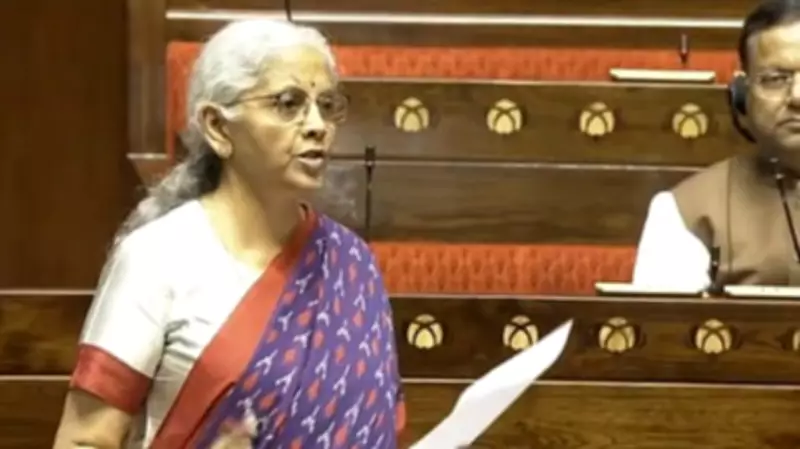
The Finance Minister emphasized that this dependency on volatile international routes poses a serious threat to the consistent availability of cooking gas for Indian households. "Our primary objective is to ensure that households across the country do not suffer due to external supply disruptions," Sitharaman stated during her parliamentary address, highlighting the government's commitment to domestic energy security.

Strategic Shift Toward Self-Reliance
The new production initiative represents a calculated shift toward greater energy self-sufficiency. By increasing domestic LPG output, the government aims to:
- Reduce vulnerability to international price fluctuations
- Minimize supply chain disruptions from geopolitical conflicts
- Create a more stable and predictable supply for consumers
- Support domestic industries and employment in the energy sector
This move comes at a crucial time when global energy markets remain unpredictable, and traditional supply routes face increasing instability. The Strait of Hormuz, through which the majority of India's LPG imports flow, has experienced multiple security incidents and shipping disruptions in recent years, making alternative supply strategies essential for national security.
Broader Implications for Energy Policy
The announcement signals a broader reorientation of India's energy policy toward greater domestic production capacity across multiple fuel types. While LPG represents a particularly critical household commodity, the principles behind this initiative may extend to other energy sectors where import dependencies create similar vulnerabilities.
Experts suggest that this production ramp-up could involve multiple approaches, including:
- Increasing refinery capacity specifically for LPG production
- Investing in new extraction technologies for domestic gas fields
- Developing strategic reserves to buffer against short-term disruptions
- Enhancing distribution infrastructure to ensure efficient delivery
The Finance Minister's announcement underscores the government's recognition that energy security is fundamentally linked to household welfare and economic stability. As India continues its development trajectory, securing reliable energy supplies for its growing population remains a paramount concern that requires both domestic initiatives and careful international engagement.