

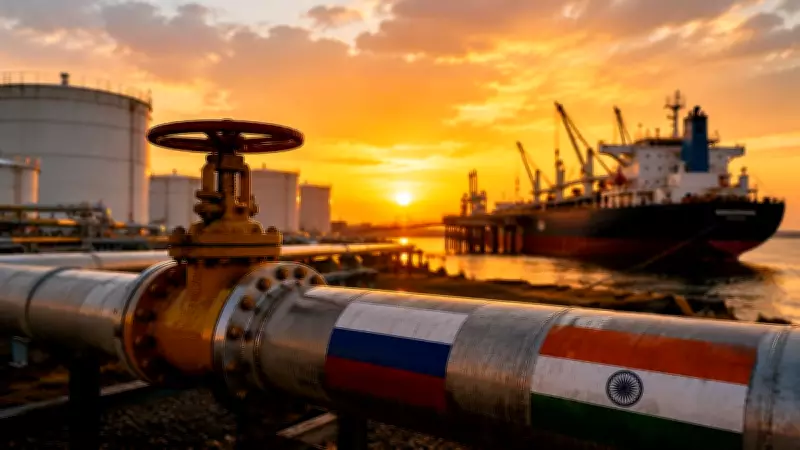
India ramped up its imports of Russian oil in May, with refineries increasing purchases from Moscow, according to a report released on June 14, 2026. The country imported Russian fossil fuels worth an estimated 5.8 billion euros (approximately USD 6.7 billion) during the month, retaining its position as the world's second-largest buyer of Russian energy after China.
Rising Russian Oil Imports
The data highlights India's continued reliance on discounted Russian crude oil, even as Western nations impose sanctions on Moscow over its invasion of Ukraine. Indian refiners have been capitalizing on the price discounts offered by Russia, which have made its oil cheaper than supplies from other major producers.
In May, India's imports of Russian oil surged significantly, driven by increased purchases from state-owned and private refiners. The country's overall crude oil imports rose, with Russian oil accounting for a larger share of the total.

Comparison with China
China remained the top buyer of Russian energy, importing fossil fuels worth an estimated 9.5 billion euros during the same period. However, India's imports have been growing at a faster pace, narrowing the gap between the two Asian giants.
Experts attribute this trend to India's growing energy demand and its strategic decision to diversify its oil sources. The country has also been increasing its refining capacity to meet domestic and export needs.
Global Energy Dynamics
India's increased purchases of Russian oil have significant implications for global energy markets. They have helped Russia maintain its export revenues despite Western sanctions, while also providing India with a cost-effective energy source.
The trend is expected to continue in the coming months, with Indian refiners likely to maintain or even increase their purchases of Russian oil, as long as the price discounts remain attractive.
The report did not specify the exact volumes of oil imported, but industry estimates suggest that Russia now supplies over 30% of India's crude oil imports, up from less than 5% before the Ukraine conflict.






