

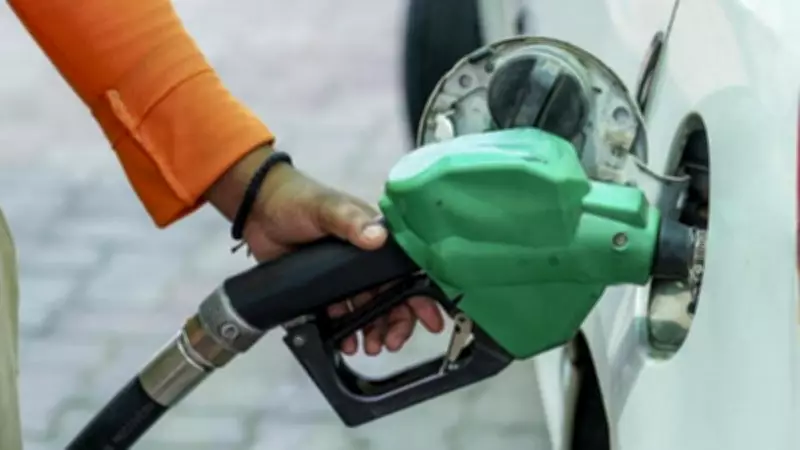
The Indian government has imposed a new restriction on diesel sales at retail outlets, limiting the quantity to 200 liters per vehicle per day. This measure, effective from June 12, 2026, aims to prevent bulk buyers from purchasing diesel through petrol pumps, thereby curbing the diversion of subsidized fuel and ensuring adequate supply for essential consumers.
Key Provisions of the New Diesel Sales Rule
Under the new directive, retail outlets can sell diesel only into a vehicle's fuel tank or a container approved by the Petroleum and Explosives Safety Organization (PESO). No single customer or vehicle can receive more than 200 liters of diesel per day. This restriction applies to all retail fuel stations across the country.
Rationale Behind the Limit
The government has observed that bulk users, such as industrial and commercial entities, have been purchasing diesel from retail pumps in large quantities, often exceeding 200 liters. This practice has led to shortages for regular consumers and has been exploited for black marketing and illegal diversion of subsidized fuel. By capping sales, the authorities intend to streamline distribution and prioritize small consumers, including farmers, transporters, and individual vehicle owners.

Impact on Bulk Buyers
Bulk buyers, including transport companies, construction firms, and agricultural operations that require large volumes of diesel, will now need to source their fuel through authorized bulk supply channels rather than retail outlets. This change is expected to reduce the strain on retail infrastructure and ensure that retail pumps serve their primary purpose of catering to the general public.
Enforcement and Compliance
Oil marketing companies and state authorities have been directed to strictly enforce the new limit. Retail outlet operators are required to maintain records of diesel sales and report any suspicious transactions. Non-compliance may result in penalties, including suspension of the outlet's license. The government has also urged consumers to cooperate and report any violations.
The decision comes amid concerns over rising diesel demand and the need to manage fuel subsidies effectively. By targeting bulk purchases at retail points, the government aims to enhance transparency and efficiency in the diesel supply chain.






