

India Maintains 4% Retail Inflation Target for Monetary Policy Committee
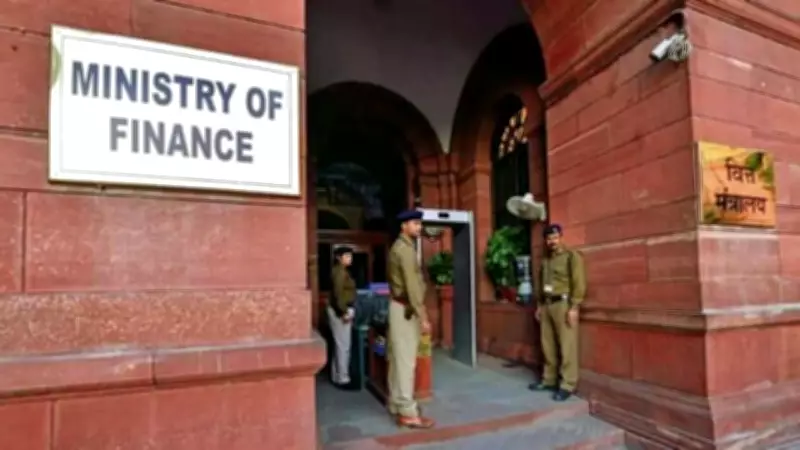
The Indian government, after conducting extensive consultations with stakeholders, has officially decided to retain the retail inflation target for the Monetary Policy Committee (MPC) at 4%. According to a notification issued by the finance ministry on Wednesday, the tolerance band of 2-6% will also remain unchanged for the next five years.
Continuity in Inflation Targeting Framework
These inflation targets have been in place for a decade and were widely anticipated to be continued. The Reserve Bank of India (RBI) had previously released a discussion paper highlighting the success of the flexible inflation targeting (FIT) framework. The central bank noted that price rise stayed within the designated band for approximately three-fourths of the first review period, which began in August 2016, and for about two-thirds of the second review period.
The RBI strongly advocated for the continuation of this framework, despite calls for a review from certain quarters, notably led by Chief Economic Adviser V Anantha Nageswaran. In its submission, the RBI emphasized that monetary policy frameworks require both policy certainty and credibility, especially in the current environment of heightened economic uncertainty.

"It is, therefore, important that the basic tenets of the framework that have been tested and judged to be favourable are continued. The adaptability and flexibility already inbuilt into the extant framework should be leveraged to nudge the economy towards further improved macroeconomic outcomes," the RBI stated in its recommendation.
Debate Over Core Inflation Measurement
During the consultation process, Nageswaran proposed an alternative approach, suggesting that core inflation—which excludes volatile components like food and energy prices—should be considered as the primary target. This recommendation was based on the argument that food items carry a significant weight in the overall inflation basket, potentially skewing the headline figures.
However, the government ultimately sided with the RBI's position, opting to maintain the existing retail inflation target and tolerance band. This decision underscores a commitment to stability and predictability in monetary policy, aiming to foster economic growth while keeping price pressures in check over the coming half-decade.






