

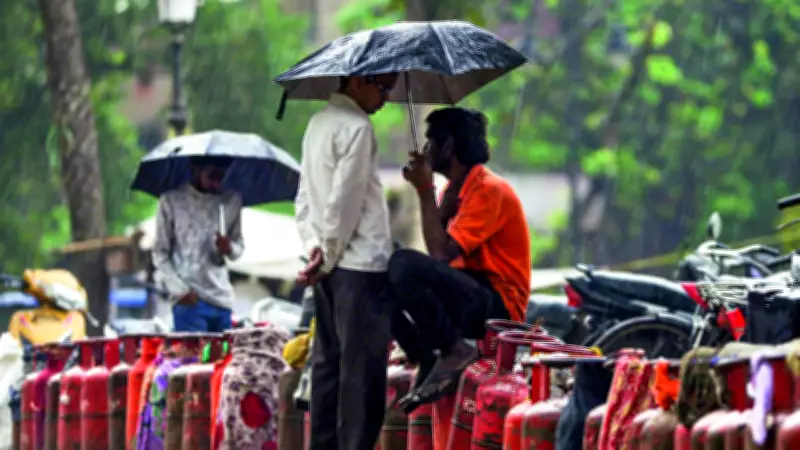
India Explores Underweight LPG Cylinders to Address Severe Cooking Gas Shortage
With LPG availability reaching a critical stage across the nation, oil marketing companies are contemplating a radical measure: delivering underweight cylinders to ensure more equitable distribution of cooking gas. This proposal comes as India grapples with significant disruptions in its energy supply chain, primarily due to escalating conflicts in West Asia that have severely impacted maritime traffic through the strategic Strait of Hormuz.
Government Review and Official Denials
While petroleum ministry officials have publicly dismissed reports suggesting that OMCs might begin selling 10 kg of gas in standard 14.2 kg domestic LPG cylinders, labeling such claims as "highly speculative," refiners have confirmed that such a proposal is indeed pending before the government. "This is indeed being considered, but the decision has to be taken by the government," revealed an official from a state-run oil marketing company, speaking on condition of anonymity.
Sujata Sharma, joint secretary in the Ministry of Petroleum and Natural Gas, strongly refuted the circulating rumors. "There cannot be any comment or explanation to any speculation... please don't believe in rumors. This is highly speculative," she stated emphatically during a briefing. Sharma emphasized that the ministry remains focused on stabilizing the current supply situation through existing mechanisms.

Current Supply Status and Domestic Production Boost
Sharma provided updated figures indicating some improvement in the booking system for domestic cylinder refills, which has eased to nearly 50 lakh pending requests. She assured that supply operations continue normally despite the challenges. Notably, refiners have significantly increased LPG output, with domestic production now meeting 50-60% of total demand, a substantial increase from the previous 40% reliance on imports.
The ongoing conflict in West Asia has created substantial disruptions to oil and gas imports, forcing the government to implement strategic prioritization. Domestic household sectors are receiving precedence while supplies to commercial users face curtailment to conserve limited resources. This reallocation aims to protect essential cooking fuel access for millions of Indian families during this crisis period.
Consumer Shifts and Infrastructure Developments
India's massive LPG consumer base, comprising 33.2 crore connections, is witnessing notable behavioral changes. In just the last ten days, nearly two lakh consumers have transitioned to piped natural gas (PNG) systems, seeking more reliable alternatives. Furthermore, authorities have issued 3.5 lakh new PNG connections during this period, indicating a rapid infrastructure expansion to accommodate shifting demand patterns.
Sharma categorically dismissed reports of widespread fuel dry-outs, asserting that supplies remain normal across distribution networks. However, the underlying proposal for underweight cylinders suggests that distribution challenges persist behind the official assurances, with oil marketing companies exploring unconventional solutions to stretch limited resources across the nation's vast consumer base.
The situation remains fluid as government officials, refiners, and distribution networks work to balance supply constraints with essential household needs. The final decision on underweight cylinders will require careful consideration of both practical distribution logistics and potential consumer impact during this extended period of energy uncertainty.






