

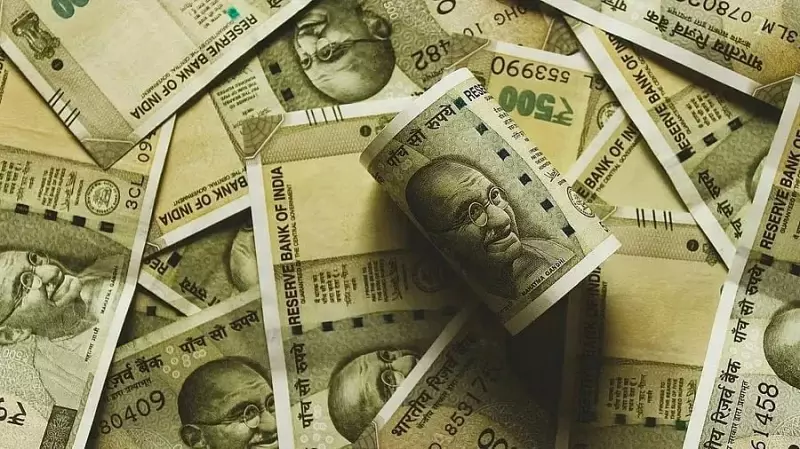
India Must Learn to Live with a Weaker Rupee
The Indian rupee faces ongoing pressure against the US dollar. Many experts focus on defending specific exchange rate levels. However, this approach might miss the bigger picture. The real challenge is not about short-term currency defense. It involves redesigning economic policies for long-term resilience.
Persistent Dollar Strength Demands New Strategies
Global economic conditions show persistent US dollar strength. This trend creates challenges for emerging markets like India. Simply trying to prop up the rupee at certain levels could drain foreign exchange reserves. It might also limit policy flexibility. Instead, India needs strategies that acknowledge this reality.
Policy redesign becomes crucial in this context. Authorities must consider how a weaker rupee affects different sectors. Exporters might benefit from more competitive pricing. Importers could face higher costs for goods like oil and electronics. The overall impact on inflation and growth requires careful management.

Building Economic Resilience Beyond Currency Levels
Thriving amid dollar strength requires multiple approaches. First, India should strengthen its export capabilities. Diversifying export markets and products can reduce dependency on any single currency. Second, attracting stable foreign investment helps support the balance of payments. Long-term capital flows matter more than short-term currency moves.
Domestic economic fundamentals play a key role. A strong growth trajectory, controlled inflation, and fiscal discipline boost investor confidence. These factors can mitigate currency volatility. They also reduce the need for aggressive intervention in forex markets.
Monetary policy must balance various objectives. The Reserve Bank of India faces the task of managing inflation while supporting growth. A flexible exchange rate regime allows automatic adjustment to external shocks. It can act as a buffer against global financial turbulence.
Practical Steps for Policy Makers
Several practical measures can help India adapt:
- Enhance export competitiveness through infrastructure and logistics improvements.
- Encourage import substitution in critical sectors without resorting to protectionism.
- Build larger forex reserves as insurance against extreme volatility.
- Promote deeper domestic financial markets to absorb external shocks.
- Coordinate fiscal and monetary policies to maintain macroeconomic stability.
The conversation needs to shift from defending a rupee level to building a robust economy. A weaker currency presents both challenges and opportunities. Smart policy design can turn potential weaknesses into strengths. India's economic future depends on adapting to global realities, not resisting them.






