India's Strategic Preparedness for West Asia Oil Supply Disruptions
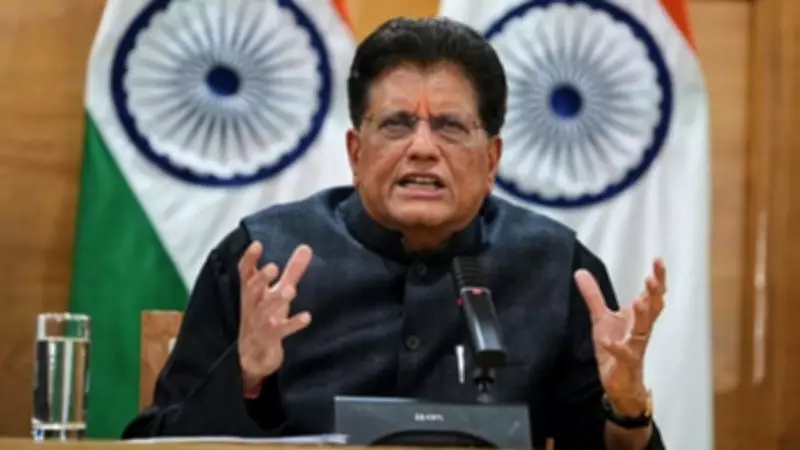
Union Minister Piyush Goyal has declared that India is strategically well-positioned to manage any potential disruptions in crude oil and fuel supplies arising from the ongoing tensions in West Asia. This statement comes amid global concerns over supply shocks that could impact energy markets worldwide.
Robust Energy Security Framework
Goyal emphasized that the Indian government has implemented a comprehensive energy security framework designed to mitigate risks associated with geopolitical instability. This includes maintaining substantial strategic petroleum reserves and diversifying import sources to reduce dependency on any single region.
The minister highlighted that India's proactive measures ensure a stable supply chain for essential fuels, even in the face of unforeseen challenges. He pointed to the country's growing refining capacity and strategic partnerships with key oil-producing nations as critical components of this resilience.

Diversified Sourcing and Strategic Reserves
India has been actively expanding its crude oil sourcing beyond traditional suppliers in the Middle East. The nation now imports from a variety of regions, including Africa, Latin America, and North America, which enhances its ability to absorb supply shocks.
Furthermore, the strategic petroleum reserves, which are underground storage facilities located across the country, provide a buffer that can cover several weeks of consumption. This infrastructure is regularly monitored and updated to align with current geopolitical and economic conditions.
Government's Proactive Stance
Goyal reassured stakeholders that the government is continuously assessing global oil market dynamics and is prepared to take swift action if needed. He mentioned ongoing dialogues with international partners to secure favorable terms and ensure uninterrupted energy flows.
- Enhanced monitoring of global supply chains
- Regular updates to contingency plans
- Collaboration with domestic and international energy agencies
This proactive approach is part of a broader strategy to safeguard India's economic growth and energy independence, particularly as the nation continues to expand its industrial and transportation sectors.
Impact on Domestic Markets
Despite the potential for volatility in international oil prices, Goyal expressed confidence in India's ability to maintain stable fuel prices for consumers. He attributed this to effective policy measures and the strategic use of reserves to cushion against sudden price spikes.
- Implementation of dynamic pricing mechanisms
- Subsidies and tax adjustments when necessary
- Public awareness campaigns on energy conservation
These efforts are aimed at minimizing the impact of external supply shocks on the common citizen and ensuring that essential services remain unaffected.
Future Outlook and Global Context
Looking ahead, Goyal stressed the importance of continued investment in renewable energy sources as a long-term solution to reduce reliance on fossil fuels. However, in the immediate term, he reiterated that India's current preparedness levels are more than adequate to handle any situation arising from West Asia.
The minister's comments come at a time when global energy markets are closely watching developments in West Asia, with many countries reassessing their own energy security strategies. India's stance serves as a model of strategic planning and resilience in an increasingly interconnected world.