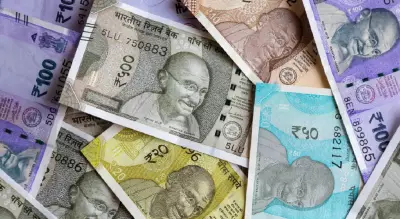
India's demand-side push could potentially build a $37.8 billion foreign exchange shield as elevated oil prices threaten fiscal stability, according to a report by Brickwork Ratings. The analysis highlights that strategic demand management might offset some of the adverse impacts of rising crude costs on the economy.
Understanding the Forex Shield Mechanism
The concept of a forex shield involves creating a buffer to protect the economy from external shocks, particularly those stemming from volatile oil prices. By boosting domestic demand and reducing reliance on imports, India can strengthen its foreign exchange reserves. Brickwork Ratings estimates that effective demand-side policies could generate a cushion of up to $37.8 billion over the medium term.
Impact of High Oil Prices on Fiscal Stability
High oil prices pose significant risks to India's fiscal health, as the country imports roughly 85% of its crude oil requirements. A sustained increase in global oil prices can widen the trade deficit, fuel inflation, and put pressure on the rupee. The government's subsidy burden may also rise, potentially derailing fiscal consolidation targets.

Brickwork Ratings notes that while the direct impact of oil prices on the fiscal deficit is manageable, the indirect effects through inflation and growth slowdown could be more pronounced. The report emphasizes the need for a comprehensive strategy to mitigate these risks.
Demand-Side Measures to Bolster Reserves
The ratings agency suggests that policy measures aimed at boosting domestic demand can help build a forex shield. These include:
- Promoting energy efficiency to reduce oil consumption
- Encouraging renewable energy adoption to lower import dependence
- Enhancing export competitiveness to improve trade balance
- Attracting foreign investment to strengthen capital flows
Such steps could not only cushion the economy against oil price shocks but also support long-term growth and stability.
Challenges and Outlook
Despite the potential benefits, implementing demand-side measures faces challenges, including structural bottlenecks and global economic uncertainties. The report warns that without sustained policy efforts, the forex shield may not materialize as expected. However, with prudent management, India can navigate the turbulent oil price environment and maintain fiscal discipline.
In conclusion, Brickwork Ratings' analysis underscores the importance of proactive demand management in building resilience against external shocks. The $37.8 billion forex shield estimate offers a target for policymakers to aim for, reinforcing the need for strategic economic planning.