

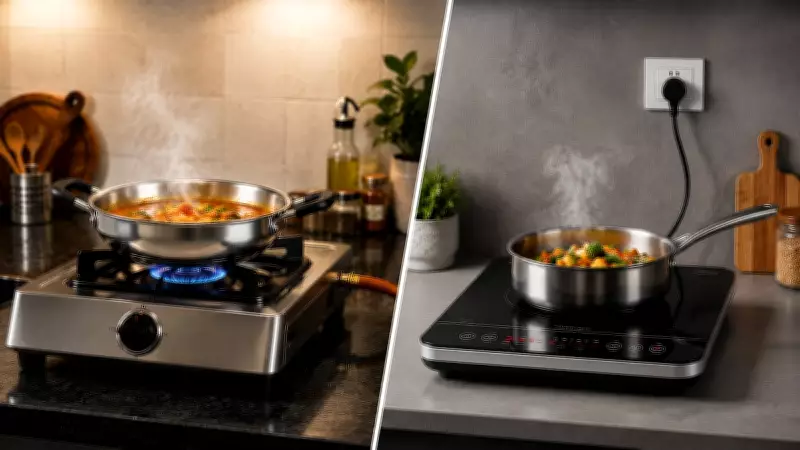
The Indian government is pushing households to adopt electric cooking, but the ground reality reveals significant challenges. While the Centre promotes e-cooking as a cleaner alternative, states like Bihar have announced coal distribution through the Public Distribution System (PDS), and eastern Uttar Pradesh is planning to sell firewood timber to the public. These contrasting moves highlight the gap between policy ambition and on-ground preparedness.
Coal and Firewood: A Step Backward?
Bihar's decision to include coal in the PDS aims to provide affordable fuel to low-income households, but it contradicts the national goal of reducing carbon emissions. Similarly, Uttar Pradesh's plan to sell firewood timber underscores the persistent reliance on traditional biomass, especially in rural areas where electricity supply is erratic and e-cooking appliances are costly.
Infrastructure and Affordability Hurdles
For e-cooking to succeed, reliable electricity and affordable induction stoves are essential. However, many households face frequent power cuts and high electricity tariffs. Moreover, the upfront cost of e-cooking appliances remains prohibitive for the poor. Without targeted subsidies and grid improvements, the transition may remain elusive.

Experts argue that a phased approach, combining LPG subsidies with e-cooking incentives, could bridge the gap. But as states resort to coal and firewood distribution, the kitchen revolution seems far from ready.






