

India Raises Alarm Over Economic Impact of West Asia Conflict
India has officially voiced significant concern regarding the potential economic repercussions stemming from the ongoing war in West Asia. As a nation with deep-rooted interests in the region's security and stability, New Delhi emphasized that the escalating conflict poses a direct threat to its vital economic corridors.
Critical Stakes in Regional Stability
In a statement reflecting heightened anxiety, Indian officials described the country as a "proximate neighbour" with "critical stakes" in the security framework of West Asia. The developments unfolding in the region are not merely geopolitical events but have tangible implications for India's economic well-being.
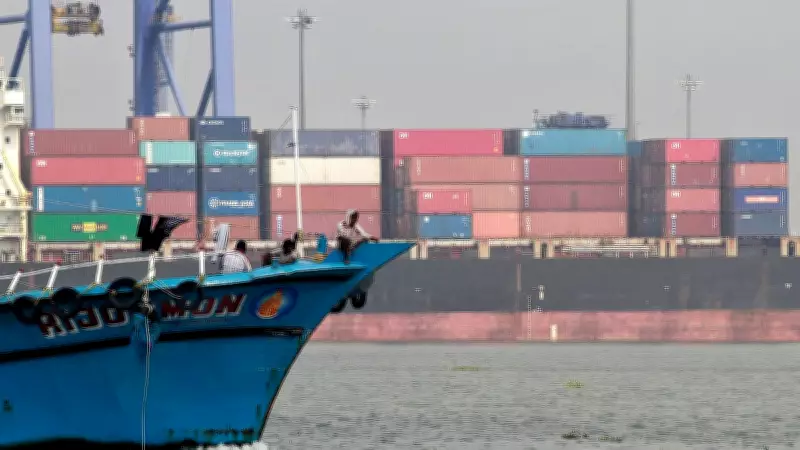
The core of India's concern lies in its extensive trade and energy supply chains that intricately traverse West Asia. This region serves as a pivotal conduit for India's imports and exports, making any disruption a matter of national economic priority.

Vulnerability of Supply Chains
The conflict threatens to destabilize key maritime and overland routes that are essential for:
- Energy imports, particularly oil and natural gas, which are crucial for India's energy security and industrial operations.
- Trade flows, including exports of goods and services to markets in and beyond West Asia.
- Logistics networks that support India's global economic engagements and supply chain resilience.
Officials noted that the anxiety is compounded by the region's historical volatility, which could exacerbate existing economic challenges. The statement, attributed to sources including Ajith Athrady and dated March 3, 2026, underscores the urgency of monitoring the situation closely.
Broader Implications for India's Economy
Beyond immediate supply chain risks, the war in West Asia could have cascading effects on:
- Inflationary pressures due to potential spikes in energy and commodity prices.
- Trade deficits if export routes are hampered or import costs escalate.
- Investment climate, as uncertainty may deter foreign and domestic investments in sectors linked to the region.
India's expression of concern highlights a proactive stance in safeguarding its economic interests amid global turmoil. The government is likely to engage in diplomatic efforts to advocate for stability, emphasizing the interconnectedness of regional security and economic prosperity.
As the conflict persists, stakeholders in India's economy, from policymakers to businesses, are urged to prepare for potential disruptions. The situation remains fluid, with ongoing assessments of how the war might impact long-term economic strategies and regional partnerships.






