India's Energy Crisis Remains a Concern Amid Middle East Conflict, Government Assures Consumers
The Centre on Tuesday stated that the energy crisis in India continues to be a matter of concern, largely influenced by the ongoing conflict in the Middle East. However, the government has moved to reassure consumers, emphasizing that there is no need for panic regarding LPG supplies.
Government Reiterates Caution on LPG Consumption
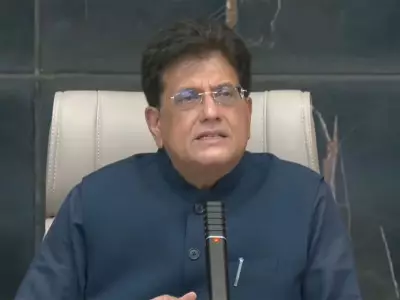
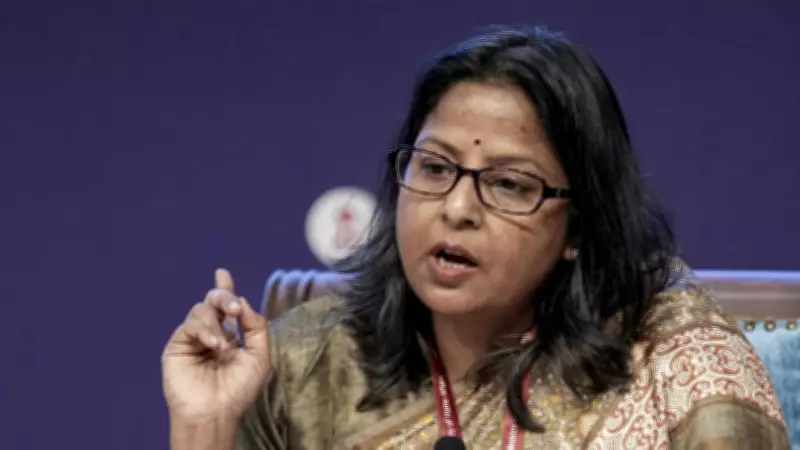
During an inter-ministerial briefing addressing recent developments, Sujata Sharma, Joint Secretary in the Ministry of Petroleum and Natural Gas, advised the public to practice judicious consumption of LPG. She also recommended exploring alternate sources for cooking to alleviate pressure on the system.
"On the issue of LPG, I would like to reiterate that the situation still remains a matter of concern. However, no LPG distributor is facing a dry-out situation at present," Sharma clarified. "In addition, LPG supplies and cylinder deliveries for all domestic consumers are continuing as usual."

Significant Improvements in Online Systems and Distribution
Sharma highlighted notable advancements in the online booking infrastructure, revealing that nearly 94% of cylinder bookings are now being made online. There has also been substantial improvement in the delivery authentication code system, which has reached an efficiency rate of 76%.
Regarding commercial LPG supplies, Sharma noted that these were initially completely halted but have since been partially restored. "Cylinders that were placed at the disposal of various state governments and Union Territories are also being distributed," she added.
Several state governments, including those of Bihar, Delhi, Gujarat, Haryana, Himachal Pradesh, Karnataka, Manipur, Rajasthan, and Uttarakhand, have already issued allocation orders for non-domestic LPG to facilitate smoother distribution.
Petrol, Diesel, and Natural Gas Availability
Sharma assured that petrol and diesel are available in sufficient quantities across the country. On the topic of natural gas, she mentioned that the Government of India is making concerted efforts to enhance supply. "It would be beneficial if all commercial LPG consumers shifted to PNG (Piped Natural Gas)," she suggested, pointing towards a more sustainable alternative.
Enforcement Actions Against Hoarding and Black Marketing
The government has implemented stringent measures to combat hoarding and black marketing, ensuring smooth distribution nationwide. Sharma provided detailed insights into the enforcement actions undertaken:
- Approximately 12,000 raids have been conducted in recent days, resulting in the seizure of about 15,000 cylinders.
- In Delhi alone, around 600 cylinders were seized yesterday.
- Uttar Pradesh witnessed about 450 inspections and raids, leading to the arrest of 10 individuals.
- Jammu and Kashmir conducted 564 raids, filed FIRs, and made several arrests.
- Kerala executed about 1,000 raids and inspections, seizing both domestic and commercial cylinders.
- Madhya Pradesh carried out roughly 1,200 raids, confiscating approximately 1,800 cylinders.
"Apart from this, the inspection teams of our oil marketing companies have also been activated, and surprise inspections have been conducted at about 2,500 retail outlets and LPG distributorships," Sharma emphasized.
State-Level Initiatives and Alternate Fuel Activation
State governments are actively undertaking enforcement measures to prevent hoarding and black marketing of petrol, diesel, and LPG. Raids are being systematically carried out across multiple states to monitor and curb illicit activities.
To further ease the pressure on LPG supplies, alternate fuels such as kerosene and coal have been activated for specific sectors, including hospitality and restaurants. This strategic move aims to diversify energy sources and ensure continuity in essential services.
Global Context and Supply Disruptions
The shortage of LPG has emerged against the backdrop of global energy supply disruptions, primarily triggered by the ongoing conflict in West Asia. The geopolitical tensions have exacerbated existing challenges, making energy security a critical priority for the Indian government.

As the situation evolves, the Centre remains vigilant, balancing immediate consumer assurances with long-term strategic planning to mitigate the impact of international conflicts on domestic energy stability.