

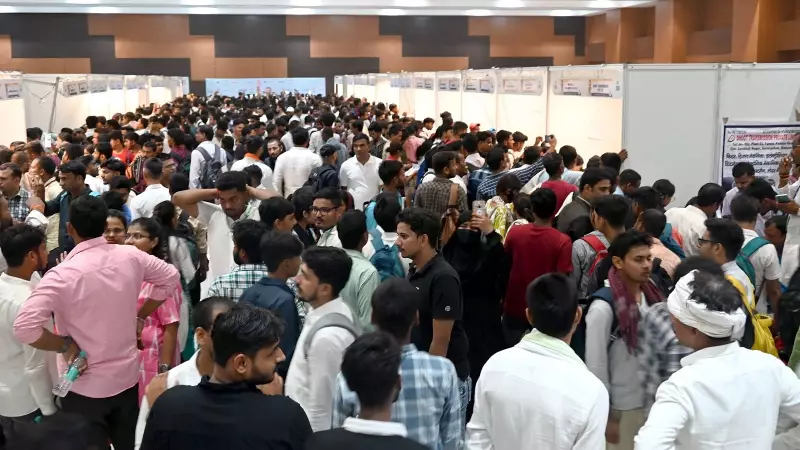
India's Labour Force Participation Reaches New Peak in December 2025
India's labour force participation rate climbed to a fresh record of 56.1 percent in December 2025. This data comes from the latest Periodic Labour Force Survey released by the statistics ministry. The survey reveals a slight uptick in the unemployment rate, which moved to 4.8 percent from 4.7 percent in November.
Understanding the Record Numbers
The Labour Force Participation Rate measures the proportion of the population actively seeking or available for work. The December figure of 56.1 percent represents the highest level since the Ministry of Statistics and Programme Implementation began publishing monthly labour market data in April. This followed a comprehensive revamp of the survey methodology.
Officials have previously noted that monthly fluctuations in the PLFS ratios should not be interpreted as long-term trends. Seasonal factors, academic calendars, and labour market dynamics can all influence these short-term measurements. The data is collected using the Current Weekly Status approach, which assesses a person's activity status during the seven days before the survey date.

Rural Areas Drive the Increase
The December survey showed particularly strong movement in rural employment indicators. The rural labour force participation rate jumped by 40 basis points to reach 59 percent. This increase more than offset a modest 20-basis-point decline in the urban LFPR, which fell to 50.2 percent from 50.4 percent.
Within rural areas, men led the search for employment opportunities. The male LFPR in rural regions rose by 60 basis points to 79.3 percent. Female participation also increased, climbing 40 basis points to 40.1 percent. Urban areas presented a different picture, with LFPR either declining or remaining unchanged across all demographic segments including males, females, and youth aged 15-29 years.
Unemployment Trends Show Mixed Patterns
Despite the surge in rural labour force participation, the unemployment rate in rural areas held steady at 3.9 percent for those aged 15 and above. However, rural youth faced a more challenging situation, with their jobless rate increasing by 20 basis points to 12.6 percent.
Urban areas experienced a different dynamic. The unemployment rate there rose to 6.7 percent from 6.5 percent, even as the labour force participation rate declined. This suggests that while fewer people were seeking work in urban centers, those who were looking faced greater difficulty finding employment.
The statistics ministry continues to monitor these developments closely, recognizing that India's labour market remains complex and multifaceted. The latest data provides important insights into how different regions and demographic groups are navigating the current economic landscape.






