India's LPG Crisis: Centre Implements Emergency Measures Amid Supply Disruptions
The Indian government has activated a 60-day emergency measure to allocate public distribution system (PDS) kerosene to 21 states and Union Territories, including regions previously declared kerosene-free. This move aims to alleviate pressure on the liquefied petroleum gas (LPG) supply chain, which is grappling with severe disruptions due to the ongoing conflict in West Asia affecting shipments through the Strait of Hormuz.
Immediate Relief with Incoming Shipments
In a positive development, two Indian-flagged LPG carriers, BW TYR and BW ELM, have safely navigated the conflict zone. They are transporting approximately 94,000 tonnes of cooking gas, equivalent to roughly one day's national demand. These vessels are scheduled to dock at Mumbai by March 31 and New Mangalore by April 1, providing partial relief to the strained supply network.
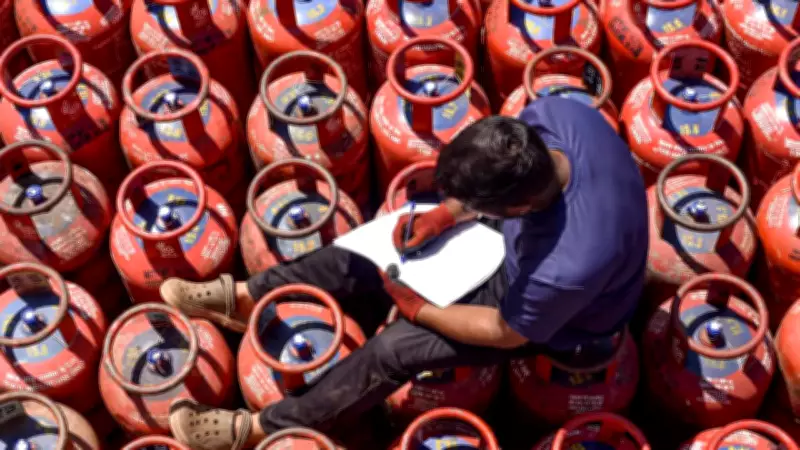
Despite these efforts, acute shortages persist in several urban centers, triggering panic buying and opportunistic black marketing. Authorities have reported incidents such as a delivery agent in Visakhapatnam allegedly siphoning off nearly 30 domestic cylinders to sell on the black market, exploiting high demand and extended waiting periods. Investigations are underway, with emergency supplies being arranged for affected households.

Crackdown on Hoarding and Black Marketing
Law enforcement agencies have intensified operations against hoarding and illegal trade. In Delhi alone, police seized 1,710 LPG cylinders and registered 22 FIRs under the Essential Commodities Act and BNS in March. Notable busts include a racket at a gas agency in Ranhola, where 459 commercial cylinders were stockpiled to create artificial scarcity. Similarly, in Sangam Vihar, delivery personnel were caught diverting LPG from filled cylinders into empty ones for illicit sales.
Policy Responses and Industrial Impact
To support critical sectors, the Centre has increased commercial LPG allocations by 20%, raising overall supply to around 70% of pre-crisis levels. Priority is being given to labour-intensive industries such as steel, textiles, automobiles, and chemicals. However, feedback remains mixed; while steel and engineering sectors report some relief, garment hubs like Tiruppur continue to face disruptions, with production cuts affecting nearly one lakh workers and straining supply chains.
Companies are increasingly exploring alternatives like piped natural gas (PNG), solar-powered heating, and partial fuel-switching, though these options involve cost and efficiency trade-offs. Smaller firms, with limited flexibility, remain particularly vulnerable to the ongoing crisis.
Consumer Behaviour Shifts and Political Fallout
At the consumer level, the crisis is reshaping buying patterns. Cities such as Prayagraj have witnessed a surge in demand for electric cooking appliances, including induction cookers, kettles, and microwaves, as households brace for delays in LPG refills. The government has reported that nearly 6,000 PNG users have voluntarily surrendered their LPG connections over three days, with around 2.9 lakh new PNG connections activated in March to ease domestic cylinder demand.
Politically, the situation has sparked tensions. Punjab BJP president Sunil Jakhar criticized Chief Minister Bhagwant Mann, accusing him of spreading panic over oil and gas shortages and demanding an apology. Jakhar asserted that the central government, under Prime Minister Narendra Modi, had ensured adequate reserves despite global challenges.
Regulatory Framework and Future Outlook
The Ministry of Petroleum and Natural Gas has issued notifications allowing temporary exemptions under the Petroleum Act, 1934, to facilitate kerosene distribution. Under these guidelines, up to two designated PSU oil marketing company service stations per district can store up to 5,000 litres of kerosene, with agents exempted from licensing requirements for decanting, subject to strict safety norms enforced by the Petroleum and Explosives Safety Organisation (PESO).

State governments have also rolled out standard operating procedures (SOPs) to manage LPG distribution. For instance, Karnataka has prioritized supply for essential sectors like educational institutions and government canteens, while commercial users are urged to switch to PNG within a week. The state currently operates at about 68% of pre-conflict supply levels, with reserves of 18,494 metric tonnes.
While incremental supply improvements and adaptive measures are mitigating the impact, the situation remains fluid. Stability heavily depends on geopolitical developments and the restoration of secure shipping routes through the Strait of Hormuz. Authorities continue to monitor the crisis closely, emphasizing the need for public cooperation and stringent action against malpractice.