

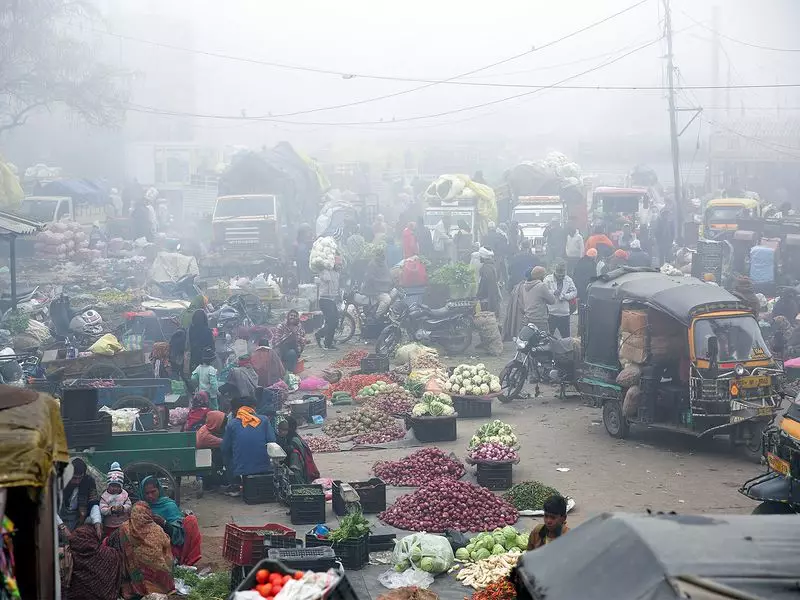
India's retail inflation, measured by the Consumer Price Index (CPI), experienced an uptick in December 2024, moving closer to the Reserve Bank of India's (RBI) comfort zone. The latest data indicates a rise, primarily fueled by increasing costs of essential food items.
December Inflation Data Shows Upward Trend
According to a report, the annual retail inflation rate for December 2024 is estimated to have risen to 1.66%. This marks a noticeable increase from the 1.55% recorded in November of the same year. The primary driver behind this upward movement has been a consistent rise in food prices, which carry significant weight in the overall inflation basket.
The data suggests a gradual shift from the multi-year low of 1.0% observed in October 2024. Economists and analysts had anticipated this moderate rise, pointing to seasonal factors and base effects that were likely to push the numbers higher as the year drew to a close.

Food Prices: The Key Inflation Driver
The core of the December inflation story lies in the food basket. Prices for several key commodities witnessed an increase, contributing substantially to the overall index. While the report does not break down individual item contributions, historical trends indicate that vegetables, pulses, and cereals often play a pivotal role during this period.
This food price-led inflation is a critical metric for policymakers, as it directly impacts household budgets across the country, especially for lower and middle-income families who spend a larger portion of their income on food.
Implications for Monetary Policy and Economic Outlook
The December inflation figure of 1.66% remains comfortably below the RBI's medium-term target of 4%, with a margin of tolerance set between 2% and 6%. This provides the central bank with considerable room to maintain its focus on supporting economic growth.
Analysts believe that the current inflationary trajectory is unlikely to prompt any immediate tightening of monetary policy by the RBI. The central bank is expected to continue its accommodative stance to foster a robust economic recovery, given that inflation is still well within the mandated band.
However, the steady climb from October's low serves as a reminder of the persistent volatility in food prices. It underscores the need for continued monitoring of supply-side factors, including monsoon performance, supply chain efficiency, and global commodity prices, which can influence domestic inflation trends.
Looking ahead, the trajectory of inflation in the coming months will be closely watched. Any sustained increase, particularly if it breaches the 4% midpoint target, could influence future RBI policy decisions. For now, the economy navigates a path of moderate inflation alongside growth-oriented policies.






