

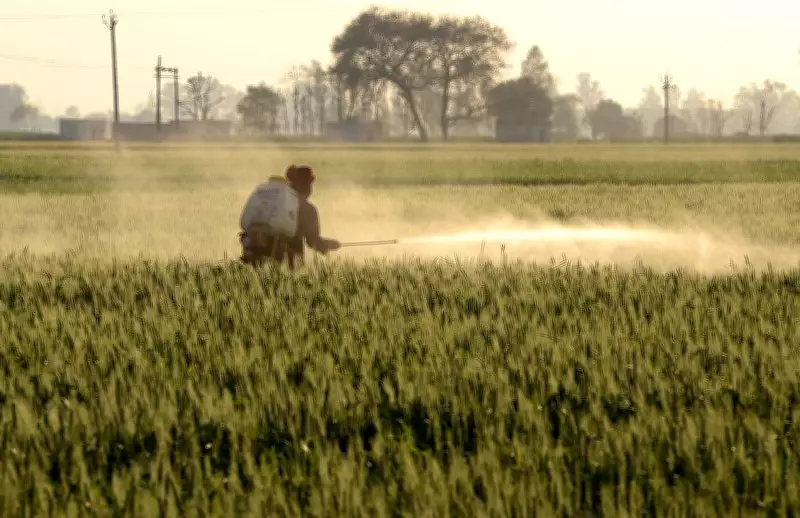
India's Agricultural Output Forecast for 2025-26: Wheat and Rice Projections
The Indian government has officially released its production estimates for the upcoming 2025-26 agricultural year, providing a detailed outlook on the nation's staple food grains. According to the latest data, wheat output is pegged at an impressive 1202.10 lakh metric tonnes (LMT), while rice production is forecasted at 167.20 lakh metric tonnes. These figures underscore India's continued dominance in global agricultural markets and its strategic focus on food security.
Key Highlights of the Government's Agricultural Report
The projections are based on comprehensive assessments of current crop conditions, weather patterns, and technological advancements in farming. The government's announcement aims to guide policy decisions, support farmers, and ensure stable food supplies for the domestic population. This forecast is critical for planning procurement, storage, and distribution strategies across the country.
Wheat, being a major rabi crop, shows a robust output estimate, reflecting favorable monsoon seasons and improved irrigation facilities. Rice, primarily a kharif crop, maintains a steady production level, supported by government initiatives like the Pradhan Mantri Krishi Sinchayee Yojana and enhanced seed varieties.

Implications for India's Economy and Food Security
The estimated production levels have significant implications for India's agricultural sector and overall economy:
- Food Security: High wheat and rice outputs contribute to national food reserves, reducing dependency on imports and stabilizing prices.
- Export Potential: Surplus production positions India as a key exporter in international markets, boosting trade revenues.
- Farmer Welfare: Predictable yields aid in better income planning for farmers, supported by minimum support price mechanisms.
- Climate Resilience: The forecasts account for adaptive farming practices, addressing challenges like climate change and water scarcity.
Government officials emphasized that these projections are preliminary and subject to revision based on real-time agricultural data and monsoon performance. Continuous monitoring and support schemes will be crucial to achieving these targets.
Comparative Analysis with Previous Years
In comparison to the 2024-25 estimates, the wheat output shows a marginal increase, aligning with trends of gradual growth due to technological adoption. Rice production remains consistent, highlighting sustainable farming efforts. These trends reinforce India's commitment to achieving self-sufficiency in food grains.
Stakeholders, including agricultural experts and industry leaders, have welcomed the forecasts, noting their role in strategic planning for supply chains and market dynamics. The government's proactive approach in releasing such data early helps mitigate risks and optimize resource allocation.






