India's Wholesale Inflation Climbs to 11-Month High of 2.13% in February
India's wholesale price inflation surged to 2.13% in February, marking an 11-month peak, according to government data released on Monday. This represents the fourth consecutive monthly increase in the Wholesale Price Index (WPI), up from 1.81% in January and 2.45% in February of the previous year.
Key Drivers of Inflationary Pressures
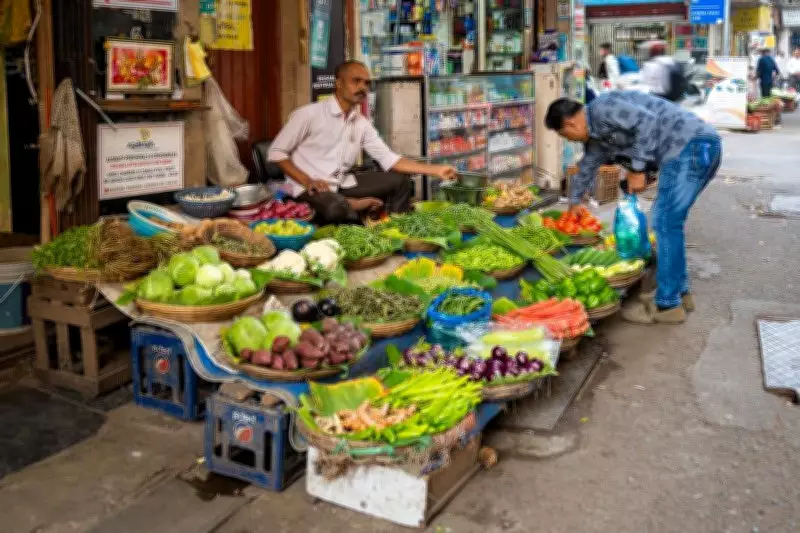
The rise in WPI is primarily attributed to escalating prices in food and non-food articles. Inflation in food articles jumped to 2.19% in February, compared to 1.55% in January. While vegetable inflation eased to 4.73% from 6.78%, categories such as pulses, potatoes, eggs, meat, and fish experienced significant upticks.
Non-food articles saw inflation spike to 8.80% in February, up from 7.58% in January. The industry ministry highlighted that positive inflation rates were driven by increases in other manufacturing, basic metals, textiles, and related sectors.

Impact of Crude Oil Prices and Global Factors
Economists caution that the WPI inflation is likely to accelerate further due to rising crude oil prices, which could spill over into other goods like fertilizers and aluminum. The fuel and power basket showed a narrowing deflation to 3.78% in February from 4.01% in January, with global oil prices averaging USD 68 per barrel in February, up from USD 63 in January.
Barclays noted in a research report that the pass-through of crude oil price increases from Middle East conflicts will be more pronounced in WPI compared to retail CPI inflation, as retail fuel prices remain unchanged. With crude oil prices surpassing USD 100 per barrel as of March 16, this is expected to reflect in the March WPI print.
India Ratings and Research emphasized that rising crude oil prices since the US-Iran war will strongly impact wholesale inflation from March 2026 until supply-side issues are resolved. The average price of India's crude basket in March 2026 reached a 44-month high of USD 101.25 per barrel.
Manufactured Products and Economic Outlook
Inflation in manufactured products edged up to 2.92% in February from 2.86% in January. PHDCCI President Rajeev Juneja stressed the need for continued policy focus on improving supply-chain efficiencies, lowering logistics costs, and supporting domestic manufacturing to mitigate cost-push pressures amid geopolitical risks.
Devendra Pant, Chief Economist at Ind-Ra, anticipates wholesale inflation to remain elevated due to the US-Iran war and a low base effect. He projects WPI could jump to 3.7% in March, noting that while retail petroleum prices might stay stable, wholesale inflation will be pushed higher by crude oil increases.
Comparison with Retail Inflation and RBI's Role
Separate data released last week showed India's retail inflation rose to 3.2% in February from 2.75% in January. The Reserve Bank of India (RBI), which primarily tracks retail inflation for monetary policy decisions, has reduced policy interest rates by 1.25 percentage points in the current fiscal year as inflation remained low.
This divergence between wholesale and retail inflation underscores the complex economic landscape, with wholesale pressures mounting due to external factors like oil prices and internal supply-chain challenges.