

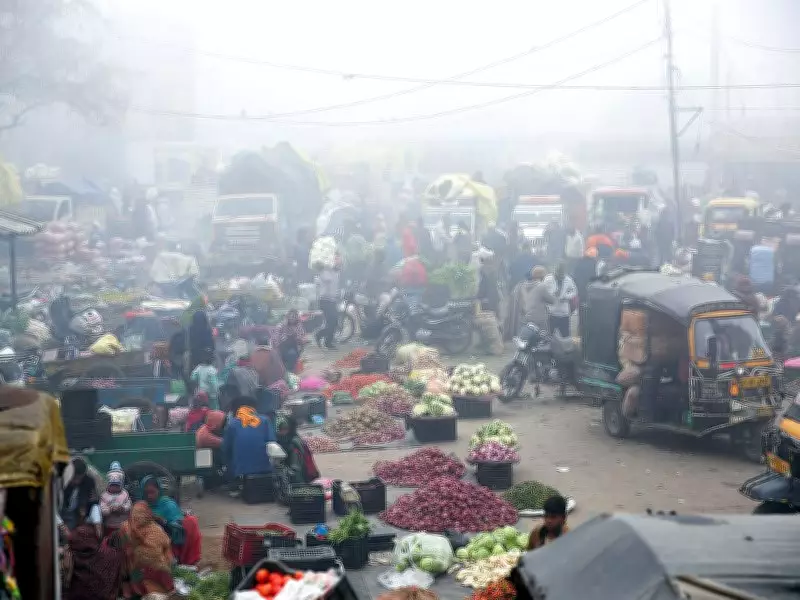
The Bank of Baroda has projected that India's inflation rate is likely to touch 4% in April, driven by escalating food prices and mounting global risks. The forecast comes amid growing concerns over price stability, as the country grapples with supply chain disruptions and volatile international markets.
Key Drivers of Inflation
According to the bank's research report, the Consumer Price Index (CPI) inflation is expected to rise to 4% in April, up from the current levels. The primary factors contributing to this increase include higher food prices, particularly for vegetables, pulses, and edible oils, which have been impacted by unfavorable weather conditions and rising input costs. Additionally, global factors such as the ongoing geopolitical tensions and fluctuating crude oil prices are adding to inflationary pressures.
Food Prices Under Pressure
The report highlights that food inflation, which accounts for nearly half of the CPI basket, has been a major driver. Prices of essential commodities like tomatoes, onions, and potatoes have surged due to supply constraints. Moreover, the rise in global food prices, attributed to disruptions in supply chains and increased demand, is expected to spill over into domestic markets.

Global Risks Amplify Concerns
The Bank of Baroda also points to global risks, including the conflict in Eastern Europe and the slowdown in major economies, which are exacerbating inflationary trends. The depreciation of the Indian rupee against the US dollar is making imports costlier, further fueling price rises. The report warns that if these risks persist, inflation could remain elevated in the coming months.
Implications for Monetary Policy
The projected inflation trajectory poses a challenge for the Reserve Bank of India (RBI), which has been tasked with keeping inflation within the target range of 2-6%. With inflation expected to approach the upper limit, the RBI may face pressure to tighten monetary policy. However, the central bank must balance this with the need to support economic growth, which remains fragile.
Economists suggest that the RBI might maintain a cautious stance in its upcoming policy review, potentially holding interest rates steady while monitoring the inflation outlook. The government, on the other hand, may need to take supply-side measures to cool food prices, such as releasing buffer stocks and improving logistics.
Outlook and Recommendations
The Bank of Baroda report recommends that policymakers focus on addressing supply-side bottlenecks and enhancing agricultural productivity to mitigate food inflation. It also suggests that the government consider reducing import duties on essential commodities to ease price pressures. On the global front, diversification of trade partnerships and hedging against currency volatility could help manage risks.
Overall, the inflation forecast for April underscores the need for vigilant monitoring and proactive policy interventions to ensure price stability without derailing economic recovery.






