

CRISIL Report Highlights Decline in January Thali Cost Amid Benign Commodity Prices
A recent report by CRISIL has indicated a notable decrease in the cost of a vegetarian thali for the month of January, primarily attributed to benign commodity prices in the market. This development offers a measure of relief to households grappling with inflationary pressures, as food expenses constitute a significant portion of monthly budgets.
Key Factors Driving the Reduction in Thali Cost
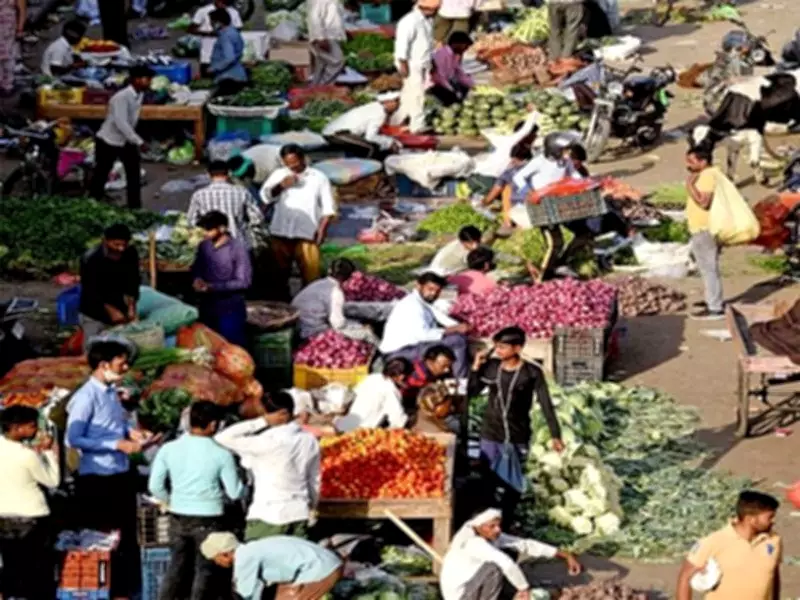
The reduction in thali cost is largely driven by lower prices of essential food items. According to the CRISIL analysis, vegetables and pulses have seen a marked decline in their market rates, contributing significantly to the overall cost decrease. This trend is reflective of improved supply conditions and seasonal factors that have stabilized commodity prices.
Impact on Household Budgets and Inflation
The decline in thali cost is expected to positively impact household budgets, providing some respite from the persistent inflationary trends observed in recent months. Lower food inflation can help in easing the financial burden on consumers, particularly in lower and middle-income groups who spend a larger share of their income on food.

CRISIL's report underscores the importance of monitoring commodity prices as a key indicator of economic well-being. The findings suggest that while challenges remain in the broader economic landscape, favorable conditions in the agricultural sector are playing a crucial role in moderating food costs.
Broader Economic Implications
The report also highlights the broader implications of benign commodity prices on the economy. Lower food costs can contribute to reduced inflationary pressures, potentially influencing monetary policy decisions and economic stability. This trend, if sustained, could support consumer spending and overall economic growth.
In summary, the CRISIL report provides valuable insights into the dynamics of food prices and their impact on everyday expenses. The decline in January thali cost serves as a reminder of the interconnectedness of commodity markets and household financial health.






