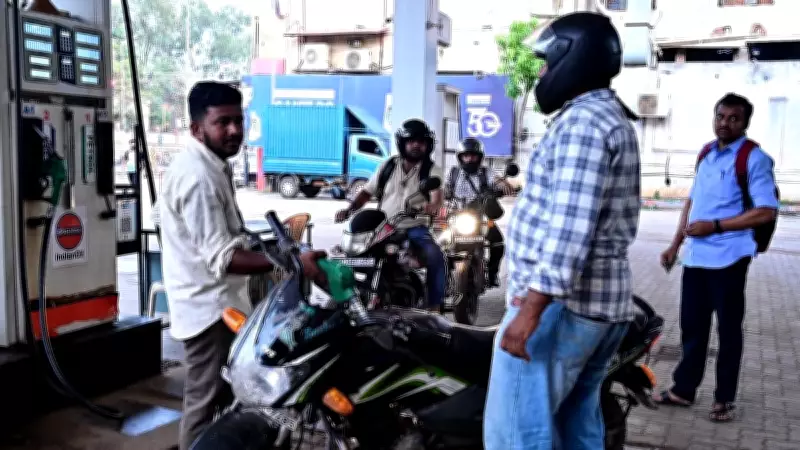
Karnataka traders and transporters are expressing deep concern over the recent surge in fuel prices, anticipating a severe cascading effect on the state's economy. The price of petrol has skyrocketed to approximately Rs 106.21 per litre, while diesel has touched roughly Rs 94.1 at several retail outlets across the state.
Impact on Transportation and Logistics
The sharp increase in fuel costs is expected to significantly raise operational expenses for transportation and logistics companies. Transporters warn that the higher input costs will inevitably be passed on to consumers, leading to a rise in the prices of essential commodities and goods. This could trigger a chain reaction, fueling inflation and straining household budgets.
Trader Concerns
Traders in Karnataka, particularly those dealing with perishable goods and long-distance supply chains, are worried about shrinking profit margins. Many have reported a decline in demand as consumers cut back on spending due to rising prices. The Federation of Karnataka Traders' Associations has urged the state government to intervene and provide relief measures, such as reducing value-added tax (VAT) on fuel.

Economic Implications
Economists warn that sustained high fuel prices could slow down economic growth in Karnataka. The state, which relies heavily on agriculture, manufacturing, and services, may see reduced competitiveness if transportation costs remain elevated. Small and medium enterprises (SMEs) are particularly vulnerable, as they operate on thin margins and lack the buffer to absorb cost shocks.
Government Response
As of now, the Karnataka government has not announced any immediate steps to mitigate the impact. However, officials have indicated that they are monitoring the situation closely. The central government's decision to maintain high excise duties on fuel has also drawn criticism from local political leaders, who argue that it exacerbates the burden on common citizens.
Meanwhile, fuel dealers have reported panic buying among consumers, leading to temporary shortages at some pumps. The state's transport department is working to ensure adequate supply and prevent hoarding.
The rising fuel prices in Karnataka are part of a broader national trend, with global crude oil prices remaining volatile. Analysts predict that further increases are possible if geopolitical tensions persist. For now, traders and transporters are bracing for a difficult period ahead, hoping for policy interventions to ease their plight.