Kolkata Braces for Fuel Price Surge as Middle East Tensions Threaten Global Oil Supply
The bustling city of Kolkata could soon experience direct economic repercussions from escalating geopolitical tensions in the Middle East. Fears of disruption in the Strait of Hormuz—one of the world's most critical maritime chokepoints for oil transportation—are pushing global energy markets into a state of heightened uncertainty and volatility.
Immediate Market Reactions and Regional Escalations
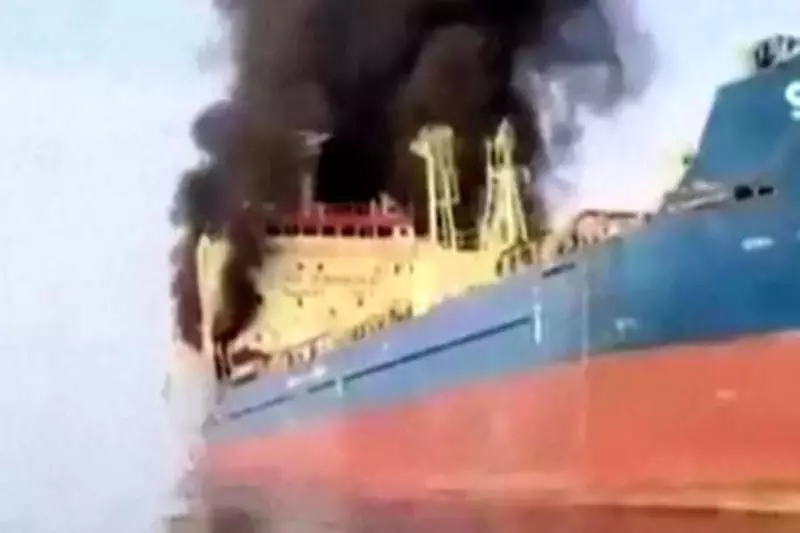
Global markets reacted swiftly to a series of alarming developments over the weekend. Brent crude oil prices surged by nearly 10% on March 2, reaching approximately $80 per barrel. This sharp increase followed reports of military actions, including Israeli strikes on Hezbollah targets in Beirut and unverified claims by Iranian state media regarding a downed US F-15 fighter jet in Kuwait. Explosions were also reported in Bahrain, Dubai, and Doha, prompting Gulf nations to vow defensive measures.
The financial mechanisms of global trade are already feeling the strain. Shipping insurance premiums for oil tankers have reportedly skyrocketed by nearly 50%, reflecting the soaring geopolitical risk and corresponding increases in freight costs. This creates a compounding effect on the final price of delivered oil.

Why Kolkata is Directly in the Crosshairs
The vulnerability stems from a stark dependency on imported energy. India imports almost 90% of its crude oil requirements. The Strait of Hormuz alone facilitates the passage of 20% to 25% of the world's total crude oil supply, along with 20% of global liquefied natural gas (LNG) flows. Any sustained instability or blockage in this narrow waterway would have immediate and severe consequences for oil-import-dependent economies.
Economists have quantified the potential impact on Indian consumers. Estimates suggest that every $1 increase in the price of Brent crude oil could raise petrol prices by Rs 0.55 per litre and diesel by Rs 0.52 per litre. With current fuel prices in Kolkata ranging between Rs 94.49 and Rs 104.21 for petrol and Rs 90.17 to Rs 92.34 for diesel, even a moderate sustained increase would be quickly felt at local fuel pumps.
Expert Analysis and Projected Scenarios
Energy and economic experts are painting a concerning picture of potential future scenarios. "In the short run, we can expect an increase in oil prices. In the medium term, if the conflict drags on, there is a negative impact on the global economy," stated Vaibhav Chaturvedi, a senior fellow at the Council on Energy, Environment and Water (CEEW).
The financial toll on India's economy would be substantial. Geo-economics researcher Vivek Y Kelkar highlighted that "with nearly 90% import dependence, every $10 per barrel rise increases the annual import bill by about $13 to $14 billion." This massive outflow of foreign exchange would strain the national economy.
Analysts warn that if tanker movement through the Strait of Hormuz becomes significantly constrained, crude oil prices could escalate to $100–$108 per barrel. In a worst-case scenario involving a major regional conflict, prices could potentially surge to a staggering $120–$150 per barrel.
Broader Economic and Strategic Implications
The ripple effects would extend far beyond just petrol and diesel. A prolonged disruption threatens to increase costs across multiple sectors:
- Transport and Logistics: Higher fuel costs would inflate the price of moving goods, impacting food logistics and overall transport expenses.
- Power Generation: Increased costs for LNG and other fuels could lead to higher electricity tariffs.
- Household Budgets: Prices for cooking gas (LPG) are also at risk of rising.
While India's strategic petroleum reserves offer some temporary buffer against short-term supply shocks, they are not a long-term solution. This crisis underscores a critical strategic vulnerability. Aarti Khosla, Director of Climate Trends, emphasized that "reducing dependence on imported conventional energy sources is no longer just a climate imperative but a strategic necessity."

For the residents of Kolkata and across India, the unfolding events in the Middle East are not distant headlines but developments with the potential to directly impact household budgets, business costs, and the broader economic stability of the region in the coming weeks and months.