

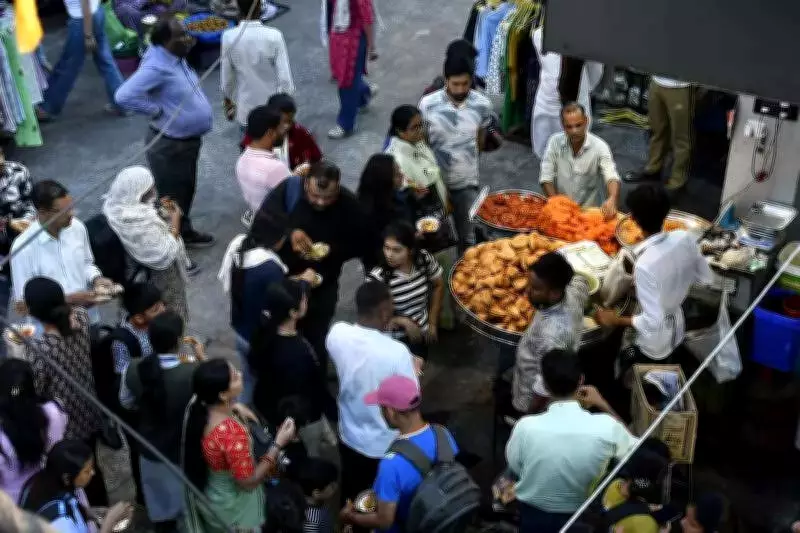
Commercial LPG Ban Paralyzes Street Food Economy in Madhya Pradesh
The bustling street food culture of Madhya Pradesh has been plunged into an unprecedented crisis following a statewide suspension of commercial LPG cylinder sales. This drastic measure, implemented by state authorities citing safety concerns linked to escalating global tensions, has severed a critical lifeline for thousands of small-scale vendors who depend on gas for their daily operations.
Global Conflict Triggers Local Crisis
The restriction stems directly from disruptions in global energy supply chains following recent retaliatory strikes by Iran on US assets. Indian regulators, responding to the instability, have been forced to prioritize household and industrial LPG needs, leaving the commercial sector—particularly the informal economy—starved of fuel. The fallout from a conflict thousands of miles away is now being felt acutely in the markets of Bhopal and beyond.
"If my tea stall closes, how will I run my family?" asks Shyamu, a tea stall owner in Bhopal's Indrapuri area who supports eight family members. His plight is echoed by Premium Sahay, a veteran chaiwala with over ten years of service outside Rang Mahal Talkies. "Today, a gas agency told me they have no cylinders. My shop shuts down in such a situation. No quick boils means no customers," he lamented, describing how resorting to burning scrap wood creates smoke that drives patrons away while inflating costs.

Vendors Face Desperation Echoing Pandemic Lockdowns
For many street vendors, the current crisis evokes painful memories of the COVID-19 lockdowns, when empty streets meant no income. "We faced empty streets in COVID; now it's empty cylinders," said Vishwa, a chaat seller operating in the BHEL area. The sudden gas shortage has created chaotic scenes at distribution depots, with remaining stocks being rationed amid widespread shortage fears.
The ban has exposed deep vulnerabilities within India's vast informal economy, where affordable street food sustains millions of daily wage earners. Poha vendor Raju captured the collective frustration: "This war half a world away is killing our businesses here." With their primary fuel source cut off, vendors are being forced to use improvised wood fires, which choke the air with smoke and further alienate customers.
Appeals for Relief and Threat of Protests
Vendor associations and small business groups have begun mobilizing, appealing directly to district authorities for immediate intervention. Their demands include:
- Exemptions from the commercial LPG ban for essential food vendors
- Subsidies for alternative fuel sources
- Emergency relief packages to compensate for lost income
Officials have defended the suspension as a necessary precautionary measure given the volatile international situation. However, traders argue the policy ignores their fragile economic existence. "Families go hungry without our affordable meals," emphasized Vishwa, highlighting the broader social impact.
With tensions mounting, vendor groups have issued warnings of potential protests outside collectorate offices if their demands remain unmet. The situation remains fluid as both local authorities and the vendor community await developments in the ongoing Iran-US conflict that triggered this domestic crisis.






