LPG Crisis Grips India as West Asia Conflict Disrupts Supply Chain
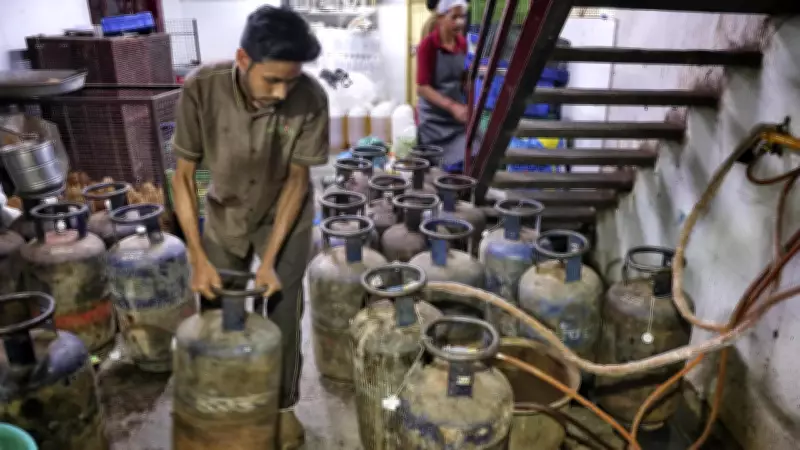
The ripple effects of the ongoing war in West Asia have manifested in a severe commercial LPG shortage across India, forcing restaurants, canteens, and hostels to either shut down or drastically alter their menus. From high-profile corporate campuses to humble roadside eateries, the scarcity of cooking gas is threatening to derail daily operations and impact the hospitality sector during a crucial period.
Nationwide Impact: From Court Canteens to Corporate Kitchens
In Delhi, the lawyers' canteen at the High Court temporarily removed all main course dishes from its menu on Wednesday, offering only sandwiches, salads, and fruit chaat due to the unavailability of cooking gas. Although services resumed after securing a day's supply, management expressed uncertainty about future availability.
Employees at Infosys campuses in Pune, Chennai, and Bengaluru received notifications that they might have to forgo their dosa cravings as kitchen operations face constraints. Similarly, in Hyderabad's IT corridor hostels and PG accommodations, roti became the first casualty, with certain curries like rajma and chickpea-based dishes being dropped from menus, much to the discomfort of north Indian residents.

Even basic beverages like tea and coffee are being rationed by many establishments as they struggle to conserve their limited LPG supplies.
Restaurant Closures and Industry Response
Several restaurants in Pune city downed their shutters as the commercial LPG shortage entered its second day. The popular Modern Cafe in Shivajinagar remained closed on Wednesday after exhausting its LPG supply, with its Kharadi branch expected to remain shut on Thursday as well.
Industry representatives revealed that Maharashtra Natural Gas Ltd (MNGL) has offered to help eateries switch to piped gas connections to alleviate the crisis. Meanwhile, hotel associations nationwide are actively exploring alternatives including:
- Coal and firewood ovens
- Biogas systems
- Electric kitchens with induction plates
- Microwave cooking methods
The railways' tourism and catering arm, IRCTC, has instructed static catering units at stations to switch to alternative cooking modes. In a significant relief measure, Bhubaneswar Municipal Corporation rolled back its January ban on coal and firewood use by roadside eateries, hotels, and dhabas that was originally imposed to curb air pollution.
Regional Variations and Innovative Solutions
While most establishments struggle, some have found innovative ways to cope. In Bengaluru's Koramangala area, popular restaurants like Empire remain operational as their fuel demand is met by a biomethanation plant. "I regret that we did not push the biogas model across more outlets earlier," said Shakir Haq, CEO of Hotel Empire Chain. "Going forward, we are seriously looking at a dual-fuel system so that we are not completely dependent on LPG."
In Mumbai, several bakeries reported that although the BMC recently instructed them to shift to LPG, their traditional firewood ovens remain intact and could be utilized if authorities permit their use during the crisis.
Oil marketing companies in Uttar Pradesh have begun evaluating whether kerosene—largely phased out over recent years—could serve as an emergency alternative fuel source.
Tourism Sector Anxieties and Broader Implications
The timing couldn't be worse for the hospitality industry in tourist destinations. In Himachal Pradesh, Uttarakhand, Goa, and other tourist hotspots, hoteliers are anxious about a potentially wasted season just as peak tourist arrivals approach.
"Tourist rush goes up on weekends, but most hoteliers are not sure whether they should accept advance bookings," said Ashwani Bamba, president of the Dharamshala Hotels and Restaurant Association, highlighting the uncertainty gripping popular destinations like Shimla, Manali, Dharamshala, Kasauli, and Kasol.
In Bihar and Jharkhand, businesses including PG accommodations, hostels, and catering services are bearing the brunt of the commercial cylinder shortage. K Kundan, who runs a PG accommodation with nearly 45 girls in Patna, revealed that his kitchen staff have already shifted to electric cooking arrangements.

The crisis has exposed the vulnerability of India's food service industry to global supply chain disruptions and underscored the urgent need for diversified energy sources in commercial kitchens nationwide.