India's LPG Supply Crisis Intensifies as Induction Cooktop Sales Skyrocket
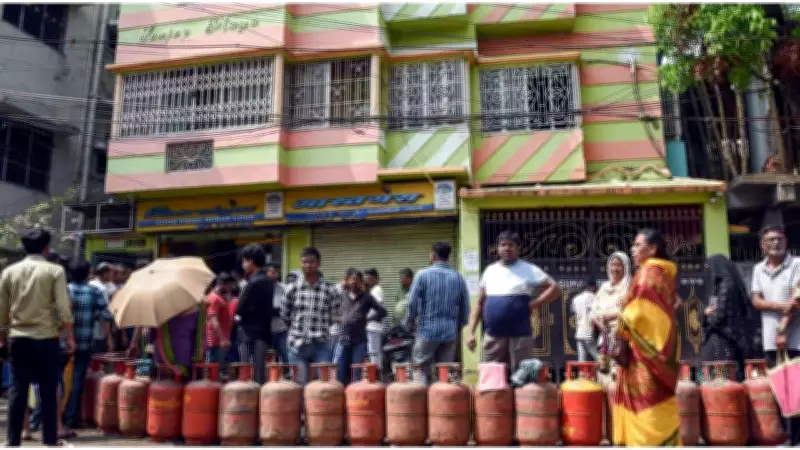
The ongoing LPG supply crunch in India has now stretched into its third consecutive week, triggering widespread disruptions and prompting urgent government interventions. The shortage, primarily driven by import disruptions from West Asia—a region supplying nearly 60% of India's LPG needs—has led to a cascade of effects across households and businesses.
Unprecedented Shift to Electric Alternatives in Gurgaon
In Gurgaon, panic over LPG scarcity has fueled an unprecedented surge in induction cooktop sales, with traders reporting over four lakh units sold in just ten days. According to local retailers, nearly 70% of these sales involve non-branded, locally made cooktops, as demand for high-end models outstrips supply. Discounts have vanished rapidly, and many outlets now require advance bookings with waiting periods of up to five days. This shift has also contributed to a noticeable increase in local electricity consumption, highlighting the crisis's broader impact on energy usage patterns.
Government Measures and PNG Push
The Centre has unveiled fresh steps to alleviate the crisis, focusing on selectively increasing commercial LPG allocations, particularly for states that accelerate the rollout of piped natural gas (PNG) networks. Officials have positioned PNG as a key alternative, urging consumers to switch wherever city gas distribution (CGD) infrastructure is available. To incentivize action, the government is offering up to 10% additional commercial LPG allocation to states that implement reforms such as cutting local charges, speeding up approvals, and easing regulatory processes. These efforts aim to bridge the gap between the current 1.6 crore PNG connections and a target of 12.63 crore.

Regional Impacts and Enforcement Actions
In Maharashtra, authorities seized 396 LPG cylinders, including 167 commercial ones, from a godown in Chhatrapati Sambhajinagar's Waluj area. This marks the first bulk seizure of cylinders from multiple oil marketing companies in the state, with suspicions of a syndicate involved in black marketing during the crisis. Meanwhile, in Patna, a sustained LPG shortage over ten days has led to booking spikes of up to four times the normal rate, exacerbated by festive demand during Chaiti Chhath, Navaratra, and Eid. Gas agency owners reported that many inactive subscribers have become active, leading to hoarding and delivery backlogs, though extended work hours have gradually normalized the situation.
Commercial Sector Struggles and Denials
While domestic LPG bookings are nearing pre-crisis levels, commercial users, including hotels, continue to face severe supply constraints, receiving only about a fifth of their requirements. In Meerut, a cook at the district hospital alleged a four-day LPG shortage, forcing staff to use makeshift stoves for patient meals, though officials denied these claims, asserting that supply was ensured. Indian Oil Corporation has responded to surging demand by introducing new booking numbers, such as an interactive voice response system and a dedicated missed call line, to reduce congestion and provide faster service to consumers.
Broader Context and Future Outlook
The crisis stems from the shutdown of the Strait of Hormuz following military strikes in West Asia, which blocked India's access to 60% of its LPG imports. This led to panic buying, with daily bookings peaking at 87.7 lakh on March 13 before falling to 56-57 lakh by March 18. Despite the squeeze, officials maintain that domestic LPG production has increased by over 40% in recent weeks, and deliveries have remained steady, with no distributors experiencing a complete dry-out. The government continues to prioritize household supplies while urging a long-term transition to PNG to mitigate future disruptions.