LPG Crisis Intensifies: Nationwide Shortages and Price Hikes Threaten Households
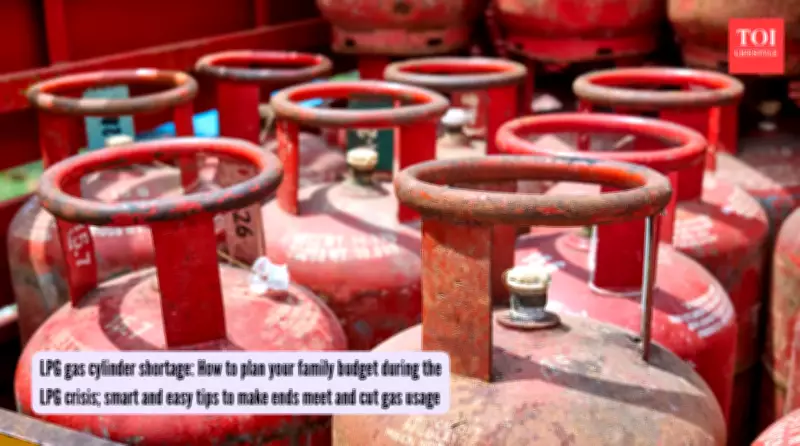
Life often presents unexpected challenges, and currently, escalating tensions in West Asia are casting a shadow eastward, potentially triggering a significant crisis. Emerging reports indicate a looming shortage of LPG cylinders that could impact millions of households and restaurants across India in the coming days. When cooking gas supplies dwindle and prices surge overnight, routine market visits transform into daunting financial puzzles for which many are unprepared.
Current Market Realities: Soaring Costs and Scarce Supplies
Prices are climbing steadily, booking refills has become increasingly difficult, and commercial cylinders are growing scarce in major urban centers. On March 7, domestic LPG prices increased by Rs 60 per cylinder nationwide, pushing the cost of a single 14.2-kg non-subsidised cylinder to Rs 913. This upward trend places considerable strain on household budgets, forcing families to seek innovative solutions to manage their resources.
Strategic Financial Management Amidst Scarcity
With LPG costs rising, implementing simple adjustments to your cooking habits can reduce gas consumption significantly, potentially extending cylinder life by 10–15 days. This approach not only saves money but also contributes to alleviating scarcity pressures, at least to some degree.

Reevaluate Your Expenditure Patterns
Begin by meticulously tracking all expenses for one week, specifically noting gas refills and grocery costs. Financial planner Ramaswamy from Mint advises, "List all fixed costs like rent and EMIs first, then variable ones like food and fuel." During this LPG crunch, document spending on alternatives such as electric stoves. Utilize a simple notebook or free applications like Walnut to identify unnecessary expenditures, such as Rs 500 weekly on dining out. Reducing this to Rs 2,000 monthly savings establishes a financial baseline amidst escalating costs.
Prioritize Essential Needs Over Luxuries
Concentrate on fundamental necessities like food, medicine, and utilities rather than discretionary purchases. With LPG scarcity, ration cylinders for basic cooking tasks. Boil water once daily and prepare dals and rice in batches. Stock non-perishable items like lentils and durable vegetables. Allocate 60% of income to needs, 20% to wants, and 20% to savings. Avoid impulse buying by asking, "Do I truly need this today?" This disciplined approach helps ensure your family remains nourished without resorting to panic buying at inflated prices.
Explore Cost-Effective Alternatives
Reduce reliance on LPG by transitioning to induction cookers or electric cookers, which require a one-time investment of approximately Rs 1,500, or consider solar stoves during sunny periods. Purchase vegetables from local mandis, typically 20% cheaper, and cultivate herbs on windowsills. For transportation, carpooling or using public transit can yield monthly savings. Emphasize home-cooked, simple meals that are more economical than dining out.
Smart Kitchen Techniques to Conserve Gas
Beyond financial adjustments, adopting intelligent kitchen practices can substantially decrease LPG consumption, potentially adding 10–15 extra days to your cylinder's lifespan.
Pre-Soak Dal and Rice
Many individuals rinse dal or rice and immediately begin cooking. However, soaking these ingredients in water for 30 minutes beforehand accelerates cooking time by 20%. Additionally, inspect your stove flame: a proper blue flame indicates efficient burning, whereas a yellow or orange hue signifies gas wastage due to a dirty burner. Clean the holes with an old toothbrush to enhance efficiency and reduce refill expenses.
Utilize Lids While Cooking
Cooking without a lid allows steam and heat to escape, prolonging cooking duration. Employing a lid traps heat and pressure, speeding up the process by approximately 30% and conserving gas overall.

Ensure Dry Pans and Room-Temperature Ingredients
After washing, we frequently place wet pans directly on the flame, wasting gas as the fire evaporates water first. Thoroughly dry vessels with a cloth prior to use. Furthermore, remember that cold items like milk, vegetables, or dough from the refrigerator compel your stove to work harder. Remove them an hour early to reach room temperature, minimizing gas required for heating.