

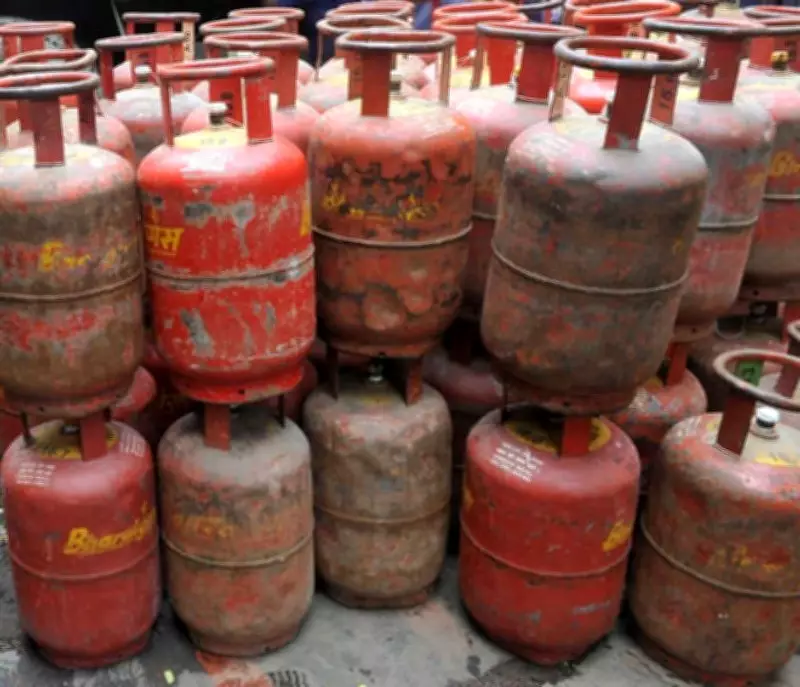
LPG Shortage Forces Early Departure of Migrant Workers from Kerala
The ongoing LPG crisis in Kerala has escalated into a significant labor issue, triggering an early exodus of migrant workers from the state. With restaurants and hotels forced to shut down due to the cooking gas shortage, workers are heading back to their native places ahead of Ramzan and the upcoming assembly elections in West Bengal and Assam.
Hospitality Sector in Turmoil as Eateries Close
Restaurant and hotel operators across Kerala are grappling with the dual challenge of the LPG shortage and the impending loss of their workforce. G Jayapal, the state president of the Kerala Hotel and Restaurant Association (KHRA), highlighted the severity of the situation. He noted that migrant workers from West Bengal and Assam typically return home a week before elections in their states, but the current crisis has accelerated their departure.
"With the LPG crisis forcing hotels and restaurants to shut down, migrant workers will start returning to their native places early. They will return only after the elections. Also, Ramzan will be celebrated next week, and people who were working in restaurants will start returning to their states due to the lack of jobs here," Jayapal explained.

Efforts to Retain Workers Amidst Uncertainty
In a bid to mitigate the impact, restaurant operators are exploring alternative cooking fuels and attempting to persuade workers to stay, hoping for a swift resolution to the LPG crisis. However, small-scale restaurant owners face particular difficulties in maintaining staff when their establishments are closed.
"A majority of the workforce in hotels and restaurants are migrant workers. Restaurants are desperate to keep them here. However, small-scale restaurant operators find it hard to maintain staff when their shops are closed," Jayapal added.
Migration Patterns and Electoral Influence
Binoy Peter of the Centre for Migration and Inclusive Development (CMID), which monitors migrant worker movements closely, provided insights into the scale of the exodus. He revealed that approximately 50% of Kerala's migrant workforce hails from the poll-bound states of Assam and West Bengal.
"With hotels closed, migrant workers in the hospitality sector have started moving to their native places. Apart from restaurant closures, the movement is also triggered by Ramzan and the elections in West Bengal and Assam. Reserved tickets in trains to these states are already in the waiting list," Peter stated.
Typically, migrant workers return home during local body polls in their states, but this time, the urgency is heightened by the SIR procedure, making them anxious to cast their votes in the crucial assembly elections.
Immediate Impact on Local Businesses
The departure of migrant workers is already causing operational challenges for businesses reliant on this labor force. Shibin, owner of KLR Facility, which supplies housekeeping staff to major malls and hotels, shared a stark example.
"The LPG crisis is only one factor for their movement. The major factor is the elections in West Bengal and Assam. We have already started facing the heat as a number of workers have moved back to their native places," Shibin said.
He detailed that his company used to provide 25 migrant workers for housekeeping at a major mall in Thiruvananthapuram, but now only five remain. To cope, they are recruiting local women and have informed client companies about the situation, seeking cooperation until the elections conclude.
Broader Economic Implications
The early return of migrant workers poses a significant threat to Kerala's economy, which heavily depends on this labor pool across various sectors. Peter warned that once workers leave, they often do not return for one to two months, potentially leading to a widespread crisis.
"Usually, once migrant workers return to their native places, they come back only after one or two months. This will put all sectors in Kerala that depend on them in a crisis," he emphasized.

As Ramzan approaches and election fervor builds in West Bengal and Assam, the LPG crisis in Kerala has inadvertently set off a chain reaction, highlighting the interconnectedness of regional economies and the vulnerabilities of migrant labor systems.





