

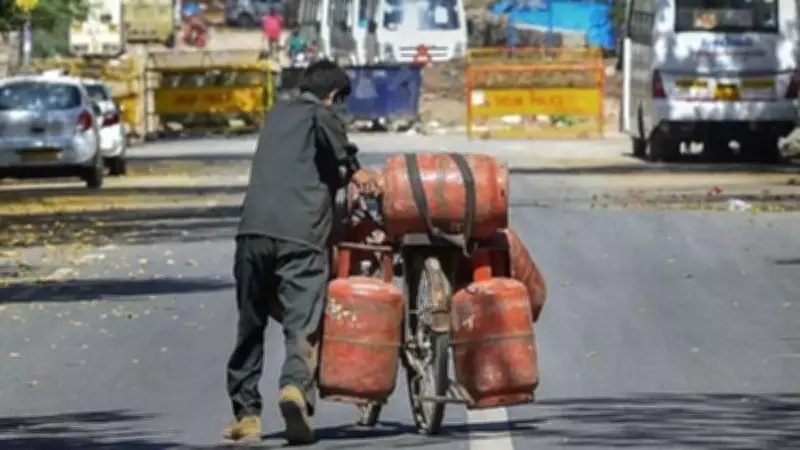
LPG Demand in India Stabilizes After Period of Fluctuation
The demand for Liquefied Petroleum Gas (LPG) in India has returned to normal levels, according to recent government reports. This stabilization marks a significant shift from the volatile consumption patterns observed in recent years, driven by factors such as the COVID-19 pandemic and economic disruptions.
Government Data Indicates Normalized Consumption
Official data from the Ministry of Petroleum and Natural Gas reveals that LPG consumption has now aligned with pre-pandemic trends. The government attributes this normalization to improved supply chain management and enhanced distribution networks across the country. This development is crucial for ensuring energy security and affordability for millions of households, particularly in rural and urban areas where LPG is a primary cooking fuel.
Factors Behind the Recovery in LPG Demand
Several key factors have contributed to the return of normal LPG demand in India:

- Economic Recovery: Post-pandemic economic revival has boosted household incomes, enabling more consistent LPG purchases.
- Government Initiatives: Schemes like the Pradhan Mantri Ujjwala Yojana have expanded LPG access, supporting sustained usage.
- Supply Chain Improvements: Enhanced logistics and storage facilities have reduced shortages and price fluctuations.
- Seasonal Adjustments: Demand patterns have stabilized after seasonal peaks, such as those during winter months.
The normalization of LPG demand is a positive indicator for India's energy sector, reflecting broader economic stability and effective policy implementation.
Implications for India's Energy Landscape
The stabilization of LPG demand has important implications for India's energy policies and market dynamics. It suggests that the country is moving towards a more predictable energy consumption model, which can aid in planning and resource allocation. Additionally, this trend supports the government's goals of promoting clean cooking fuels and reducing reliance on traditional biomass, contributing to environmental and public health benefits.
Looking ahead, experts anticipate that LPG demand will remain steady, with potential growth driven by ongoing urbanization and increasing awareness of clean energy options. However, challenges such as global price volatility and infrastructure gaps may require continued attention from policymakers to maintain this stability.






