Government Campaign Cuts LPG Panic Booking as Supply Concerns Persist Amid West Asia Conflict
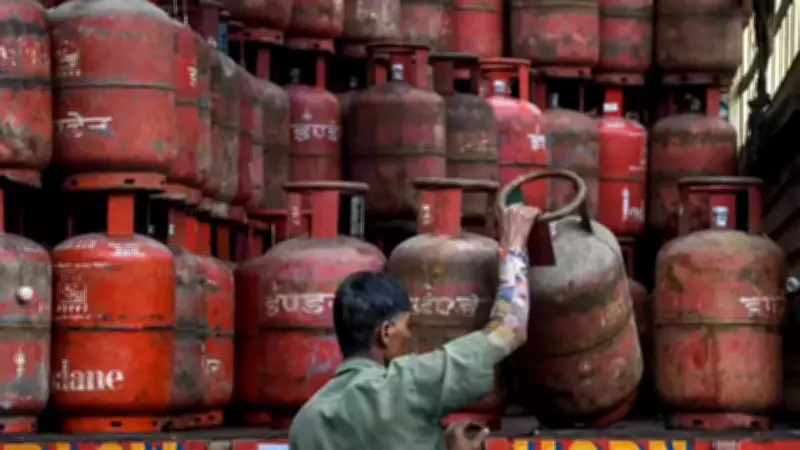
The Indian government's efforts to discourage panic booking of LPG refills appear to be yielding results, with domestic bookings declining significantly from 88.8 lakh on Friday to 77 lakh on Saturday. This drop comes amid heightened consumer anxiety over supply disruptions due to the ongoing military conflict in West Asia, which has impacted key shipping routes.
Online Bookings Increase Amid System Stabilization
According to the petroleum ministry, online bookings for LPG have improved, rising from 84% to 87% of total bookings. Notably, no dry-outs were reported at LPG distributors, indicating that distribution networks are holding up despite the pressure. In recent days, unusually high call volumes had crashed the booking system, leading to difficulties in online reservations and causing consumers to queue at gas depots demanding immediate refills.
Government Assures Stable Supply Despite Geopolitical Tensions
While the availability of LPG remains a concern due to the West Asia conflict, the government has implemented measures to maintain regular supply. In a statement, the ministry confirmed that arrangements are in place to ensure stable distribution. "Steps have been taken to ensure stable availability of petroleum products and LPG across the country. LPG supply continues to be monitored in view of the prevailing geopolitical situation," it said.

To manage resources, the government has reduced delivery of commercial cylinders—primarily used by small eateries, restaurants, and the hospitality industry—to just 20%. However, officials emphasize that there is no shortage of domestic LPG, attributing the surge in bookings to panic among consumers.
Strategic Monitoring of Strait of Hormuz Shipments
India's LPG supply chain is heavily reliant on imports, with nearly 60% of requirements met through foreign sources. About 90% of these imports transit the Strait of Hormuz, a critical waterway that has been effectively closed since the conflict erupted on February 28. To mitigate risks, six Indian-flagged ships carrying LPG are among 22 vessels currently on standby on the western side of the strait.
In the coming days, two ships carrying 97,200 metric tonnes of LPG are scheduled to arrive in Mumbai, bolstering reserves. The government maintains that adequate crude oil and petroleum inventories are available, with all refineries operating at high capacity to meet demand.
Push for Alternative Energy Solutions
In response to the situation, officials from the petroleum ministry, the Petroleum and Natural Gas Regulatory Board, and city gas distribution companies convened a meeting on Friday. They reviewed the status of consumers interested in activating their piped natural gas (PNG) connections or converting from LPG to piped gas. The government is actively encouraging commercial LPG consumers in major cities to opt for PNG connections as a more stable alternative.
This multifaceted approach—combining supply chain monitoring, public awareness campaigns, and promotion of alternative energy—aims to stabilize the LPG market and alleviate consumer fears during this period of international uncertainty.