

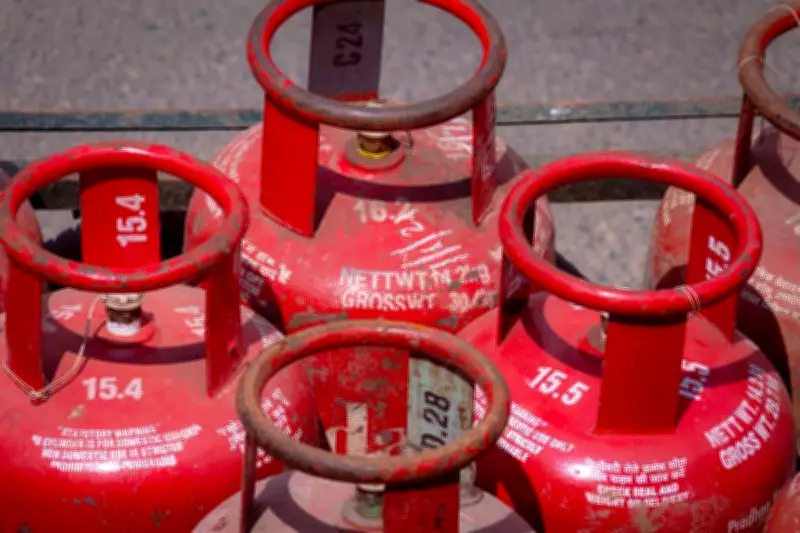
Domestic LPG Cylinder Price Increased by Rs 60, Petrol and Diesel Unaffected
In a significant development affecting household budgets across the nation, the price of domestic liquefied petroleum gas (LPG) cylinders has been raised by Rs 60. This adjustment is effective immediately, as confirmed by official sources. However, in a parallel announcement, it has been clarified that there will be no change in the prices of petrol and diesel at this time.
Details of the LPG Price Revision
The hike of Rs 60 per cylinder applies to the standard 14.2 kg domestic LPG refills used by millions of households for cooking purposes. This increase follows a period of relative stability in LPG pricing and is attributed to adjustments in international benchmark rates and other operational factors. The revised pricing structure is expected to impact consumers directly, adding to their monthly expenditure on essential fuels.
It is important to note that this price change does not affect subsidized cylinders under government schemes, which continue to be available at concessional rates for eligible beneficiaries. The move is part of routine price revisions by oil marketing companies, which periodically align domestic prices with global market trends.

Stability in Petrol and Diesel Prices
In contrast to the LPG hike, the prices of petrol and diesel have been kept unchanged. This decision comes amid fluctuating crude oil prices in the international market and aims to provide some relief to consumers facing inflationary pressures. The stability in petrol and diesel rates is seen as a measure to support the transportation sector and overall economic activity, which heavily relies on these fuels.
Industry analysts suggest that the government and oil companies are balancing between passing on cost increases and managing consumer affordability, especially in a post-pandemic recovery phase.
Impact on Households and Economy
The Rs 60 increase in LPG prices is likely to have a direct impact on household budgets, particularly for middle and lower-income families who depend on LPG for daily cooking. This could lead to:
- Higher monthly expenses for families using multiple cylinders.
- Potential shifts towards alternative cooking fuels in some regions.
- Increased financial strain amid rising costs of other essentials.
On a broader scale, the unchanged petrol and diesel prices may help curb inflation in the short term, as fuel costs are a key component of the Consumer Price Index. This could support economic stability by keeping transportation and logistics costs in check.
Future Outlook and Consumer Advice
While the current LPG hike is in effect, consumers are advised to monitor official announcements for any further changes. It is recommended to:
- Plan household budgets considering the increased LPG cost.
- Explore energy-efficient cooking practices to reduce consumption.
- Stay informed about government subsidies and schemes for LPG.
The overall fuel pricing scenario remains dynamic, influenced by global oil markets, exchange rates, and domestic policy decisions. Stakeholders, including consumers and businesses, should stay updated through reliable sources to navigate these changes effectively.






