Commercial LPG Shortage Cripples Food Service Sector Across Indian Cities
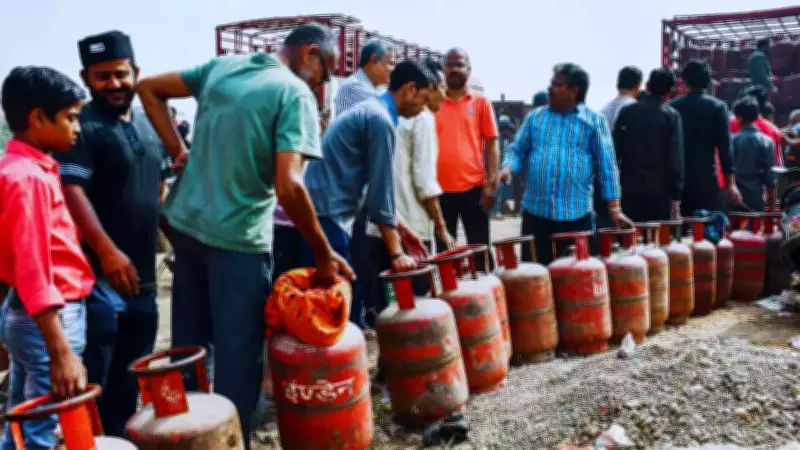
A severe shortage of commercial LPG cylinders has triggered widespread disruptions in restaurants, hostels, canteens, and catering services across multiple Indian cities, exposing the vulnerability of the food service industry to supply chain shocks. The crisis, which began on Wednesday, has led to panic buying and operational halts, with establishments scrambling to adapt amid fears of prolonged scarcity.
Immediate Impacts on Daily Operations
In Delhi, the High Court lawyers' canteen was forced to temporarily suspend main course meals due to the unavailability of cooking gas, offering only lighter refreshments such as sandwiches, salads, and fruit chaat. Services resumed later after a limited supply arrived, but uncertainty about future availability lingers. Similarly, in Hyderabad, hostels and paying guest accommodations removed gas-intensive dishes like rajma and chickpea curries from their menus, while eateries rationed tea and coffee to conserve fuel.
Restaurant Closures and Adaptation Efforts
Pune witnessed several restaurants shutting down as the commercial LPG shortage entered its second consecutive day. Notable establishments like Modern Cafe in Shivajinagar closed after exhausting their stock, with its Kharadi branch also facing potential closure. In response, hotel associations and restaurant operators have begun exploring alternatives, including coal, firewood, biogas, and electric cooking systems. Railway catering units were advised to shift to induction plates and microwave cooking where feasible to maintain operations.

Government Response and Reassurances
Despite the widespread disruption, the Centre has sought to reassure the public, emphasizing that domestic LPG supplies are not under threat. Officials stated that oil companies have increased production by 25% and that household cylinder deliveries continue within the normal two-and-a-half-day cycle. The government has also warned states to prevent panic buying and black marketing of cylinders, stressing that domestic consumers, hospitals, and educational institutions remain the top priority, while restrictions primarily affect commercial establishments.
Broader Implications and Industry Reactions
The shortage has forced eateries in cities like Chennai, Bengaluru, and Hyderabad to drop popular items such as dosa, puri, and full-course meals from their menus. Some establishments have temporarily ceased operations, while others limit offerings to items requiring minimal cooking. Industry bodies, including those in Maharashtra, have suggested transitioning to piped gas connections to reduce dependence on LPG. Municipal authorities in Bhubaneswar even rolled back a ban on coal and firewood use by roadside eateries to alleviate the crisis.
As the situation evolves, the food service sector remains on edge, with ongoing efforts to secure stable fuel sources and mitigate further disruptions. The government's focus on maintaining domestic supply offers some relief, but the commercial sector's challenges highlight the need for resilient infrastructure and diversified energy options in India's hospitality industry.