LPG Cylinder Shortage Cripples Lives and Livelihoods Across India
A severe shortage of LPG cylinders, triggered by the ongoing geopolitical conflict involving Iran, the United States, and Israel, is wreaking havoc on daily life and economic activities throughout India. The crisis has escalated into a multifaceted disaster, impacting everything from household kitchens to industrial operations, with tragic consequences already emerging.
Black Marketing and Soaring Prices
In Tamil Nadu, the domestic LPG cylinder prices have skyrocketed due to rampant black marketing. Normally priced at Rs 1,400, cylinders are now being sold illegally for as high as Rs 2,800, effectively doubling the cost for consumers. This illicit trade is exacerbating the financial strain on families and small businesses already grappling with inflation.
Restaurant Closures and Job Losses
The hospitality sector is bearing a significant brunt of the shortage. According to hotel associations, approximately 40% of eateries in Kerala and 30% in Karnataka have been forced to temporarily shut down. This has led to substantial job losses and reduced income for thousands of workers in these states. In Kerala, urban hubs like Kochi and Thiruvananthapuram are particularly affected, as fire-safety norms and building congestion prevent a switch to traditional firewood alternatives.

Industrial and Educational Disruptions
At the Hingna industrial estate near Nagpur, over 70% of Micro, Small, and Medium Enterprises (MSMEs) report serious operational difficulties due to restrictions on commercial LPG cylinders and rising fuel prices. Educational institutions are also feeling the pinch. In Bhopal, premier establishments such as the National Law Institute University and the Indian Institute of Science Education and Research have slashed hostel meals. Similarly, in Kota, Rajasthan, a hub for competitive coaching, hostels and mess operators have downsized menus, stopped serving snacks, and shifted to coal-based cooking where possible.
Tragic Human Cost
The crisis has turned fatal in some instances. In Sehna village, Punjab's Barnala district, 60-year-old Bhushan Kumar collapsed while waiting in a queue of 125 people for an LPG cylinder at 5 am. He was the 25th customer in line and died on the way to the hospital, highlighting the desperate lengths people are going to secure fuel.
Cultural and Culinary Impact
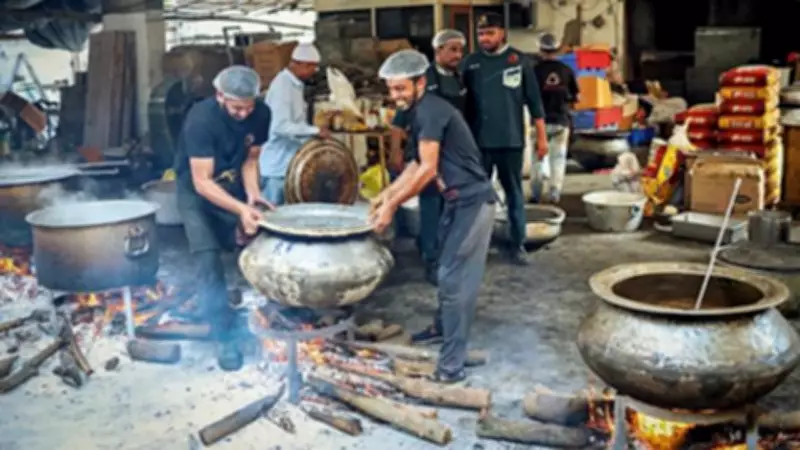
The shortage is altering cultural practices and culinary traditions. The iconic 200-year-old Sri Ganesh Temple in Secunderabad has halted the distribution of annadanam (free food) and prasadam. In Kolkata, sweets that require high-temperature flames, such as labanga latika, kalojaam, pantua, and darbesh, have disappeared from shelves. Restaurant menus in the eastern megapolis have also removed time-intensive dishes like handi biryani, mutton rezala, and dal makhani.
Healthcare and Community Adjustments
Healthcare facilities are adapting to prioritize patient needs. Kolkata's Desun Hospital has temporarily restricted its menu to vegetarian and egg-based meals, as non-vegetarian dishes generally consume more fuel. In Gujarat, a hotel serving the Bharwad community reduced the number of rotis provided to students from 700 to 300. Meanwhile, consumer helplines in Tamil Nadu have received 70 calls related to overcharging at hotels and tea shops citing the gas crunch.
Rising Theft and Price Hikes
Incidents of theft have surged, with CCTV footage in Thiruvananthapuram's Chalai market area capturing a thief walking away with a commercial cylinder from a hotel. In Chennai, tea stall prices have been hiked from Rs 3 to Rs 5 per cup, while in areas like Mogappair and Anna Nagar, tea prices rose from Rs 12 to Rs 15 and coffee from Rs 15 to Rs 18. Vendors attribute these increases to commercial gas costs soaring to Rs 5,000 per cylinder and uncertainty over refill availability.
Adaptation and Alternative Solutions
Families and small eateries nationwide are adopting various coping mechanisms. In Punjab, dhabas are reverting to earthen chulhas, increasing demand for wood and coal. Some households are opting for small tandoors and kerosene stoves. In Kanpur's Maniram Bagiya market, which hosts over 150 electrical goods shops, demand for induction cooktops has spiraled, as reported by market president Manoj Mehgani.

This widespread disruption underscores the profound impact of global conflicts on local economies and daily life, with the LPG cylinder shortage serving as a stark reminder of India's vulnerability to international fuel supply chains.