

LPG vs PNG: How Global Conflicts Impact India's Kitchen Fuel Security
Cooking gas represents one of those fundamental commodities that typically escapes public attention until scarcity strikes. For decades, liquefied petroleum gas (LPG) flowed reliably into Indian kitchens, becoming an invisible backbone of daily life. However, this stability faced unprecedented challenges when geopolitical tensions, particularly the US-Iran conflict, disrupted critical shipping routes through the Strait of Hormuz. This strategic chokepoint serves as a vital artery for global energy transport, including the LPG supply chain that sustains millions of Indian households.
The Silent Commodity That Powers Daily Life
LPG operates as one of those silent commodities that fundamentally shapes everyday existence, from preparing morning tea to cooking elaborate family meals. It occupies a crucial intersection where convenience, affordability, safety, and supply security converge. When global energy markets experience turbulence, the familiar rhythm of kitchen activities can suddenly feel precarious. This growing uncertainty has elevated the LPG-versus-PNG conversation to unprecedented importance for Indian consumers and policymakers alike.
India's Dual Kitchen Fuel Ecosystem
India's kitchen fuel narrative revolves around two primary options: liquefied petroleum gas (LPG) and piped natural gas (PNG). Both fuels enjoy widespread adoption across the country, yet they reach households through fundamentally different delivery mechanisms and serve distinct operational needs. Understanding these differences becomes particularly crucial during periods of supply chain stress.

Fundamental Differences in Supply Methodology
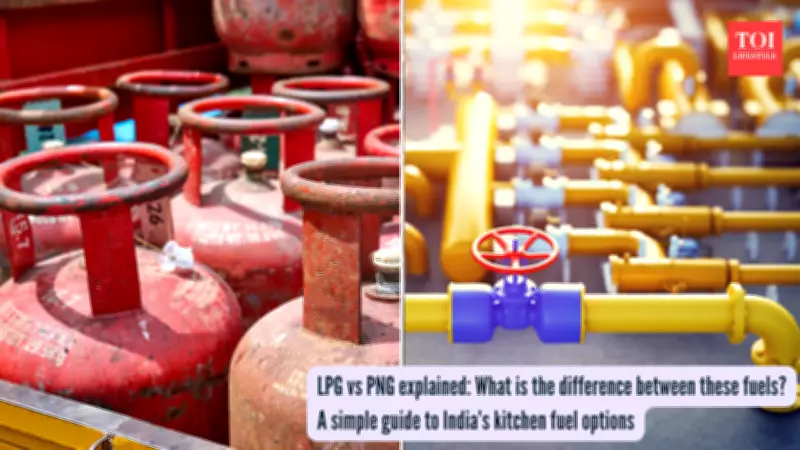
The most apparent distinction between LPG and PNG lies in their delivery systems. LPG arrives in pressurized cylinders that require regular refilling and replacement, creating a cyclical consumption pattern. In contrast, PNG flows continuously through underground pipelines directly into kitchen appliances, creating a seamless, on-demand fuel supply. This structural difference becomes dramatically visible when external pressures test supply chain resilience.
Recent geopolitical disruptions in West Asia highlighted this vulnerability gap. While LPG supplies faced constraints due to shipping route interruptions, PNG users experienced minimal disruption thanks to their connection to established pipeline networks. This stability difference carries profound implications because cylinder-based systems depend on complex logistics including transportation networks, dealer availability, and booking cycles, whereas pipeline systems maintain flow as long as the infrastructure remains operational.
India's Import Dependence Amplifies LPG Vulnerability
A primary factor contributing to LPG's susceptibility to global disruptions is India's significant import dependence. Although domestic production contributes substantially, the nation still imports a considerable portion of household LPG requirements. According to data from the Petroleum Planning and Analysis Cell, India's LPG consumption reached approximately 31.3 million tonnes during the 2024–25 period, with domestic output accounting for about 12.8 million tonnes.
This substantial import gap means international supply chains must bridge the deficit, with much of this imported LPG traversing Gulf shipping routes vulnerable to conflict and logistical interruptions. This external dependency creates systemic fragility that contrasts sharply with more localized PNG distribution networks.
PNG's Structural Advantages and Network Resilience
PNG operates within an entirely different framework as part of comprehensive city gas distribution networks. Typically composed of methane-based natural gas, PNG travels through underground pipelines before reaching individual households via metered connections. This infrastructure eliminates the need for refill arrangements and transitions billing to actual consumption rather than cylinder-based approximations.

Safety Considerations and Storage Differences
Safety profiles further distinguish these two kitchen fuels. LPG's pressurized cylinder storage presents specific risks since the gas is heavier than air, potentially allowing leaks to accumulate near floor levels in inadequately ventilated spaces. Conversely, PNG's lighter-than-air composition causes leaks to disperse upward more rapidly, altering the nature of potential hazards. While neither fuel is completely risk-free, their physical properties create different safety considerations that influence installation requirements and emergency protocols.
The evolving dynamics between LPG and PNG reflect broader questions about energy security, infrastructure development, and household resilience. As global tensions continue influencing energy markets, understanding these kitchen fuel alternatives becomes increasingly vital for Indian consumers navigating their daily cooking needs while anticipating potential supply challenges.





