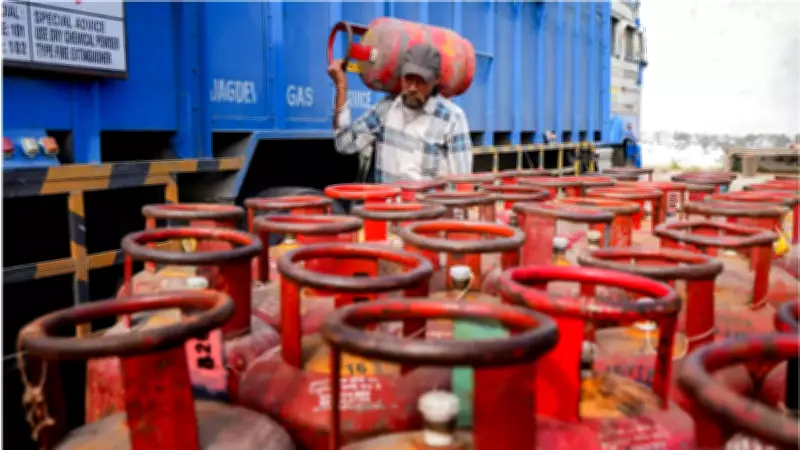
Middle East Conflict Intensifies India's LPG Supply Crisis
India is grappling with escalating anxiety over LPG availability as geopolitical tensions in the Middle East, particularly Iran's disruption of the Strait of Hormuz, tighten global energy flows. This has triggered widespread panic buying, with long queues forming outside distributors in multiple regions, despite government assurances that domestic supply remains under control.
Strait of Hormuz: The Critical Chokepoint
The Strait of Hormuz has become a focal pressure point, as a significant portion of India's energy imports transit through this route. With tanker movements severely disrupted, concerns are mounting over potential delays or reduced shipments of cooking gas from Gulf producers, exacerbating supply chain vulnerabilities.
India's Heavy Reliance on Imported LPG
This crisis starkly highlights India's dependence on imported cooking gas, with approximately 60% of its LPG needs sourced from abroad. A large share of these imports originates from Gulf suppliers, whose exports are heavily reliant on the Strait of Hormuz remaining open and functional, underscoring the nation's energy security risks.

Government Efforts to Calm Public Fears
In response to the growing panic, the Centre has conducted joint inter-ministerial briefings for three consecutive days. Officials have urged consumers to avoid queuing at agencies, promoted the use of digital platforms for bookings, and noted that rising online orders indicate the system is adapting to the sudden surge in demand.
Prioritizing Domestic Household Supply
The government has emphasized that uninterrupted LPG supply to households has been ensured despite the disruptions. Officials report no dry-outs from any of the country's 25,000 distributors, with the primary focus remaining on delivering cylinders to domestic consumers without interruption.
Boosting Domestic Production to Mitigate Shortages
To strengthen supply resilience, domestic LPG output has been ramped up by 30% compared to early March levels. Refineries are operating at full or higher capacity as authorities strive to offset import stress through increased domestic production, aiming to stabilize the market.
Commercial Sector Bears the Brunt of Shortages
While domestic supply is protected, commercial users, including restaurants, hotels, and food businesses, are facing acute shortages. The Centre has placed commercial LPG supplies under state government control to prioritize distribution to essential users, highlighting the uneven impact of the crisis.
State Actions Against Hoarding and Black Marketing
State administrations have launched inspections, helplines, and enforcement drives to curb hoarding and black marketing. Delhi, Uttar Pradesh, and Bihar have warned of strict actions, including FIRs, against entities diverting domestic cylinders or selling above permitted rates, aiming to maintain market integrity.
Enhanced Delivery Management in Key States
Delhi has revised the minimum interval between refill bookings from 21 to 25 days, while ensuring deliveries within two to three days on average. Maharashtra has ordered fixes to booking apps and missed-call systems, and Uttar Pradesh has deployed police support at distribution centers to maintain order and efficiency.
Southern States Report Strain in Commercial Supply
In southern India, the impact is particularly visible in commercial kitchens. Karnataka has acknowledged supply troubles, Telangana reports stable domestic supply but strained commercial distribution, and hotel associations warn that businesses are relying on existing stocks or emergency alternatives to remain operational.
Promoting PNG as a Viable Alternative
To alleviate pressure on LPG, the Centre is urging households and commercial users to switch to PNG where possible. Officials estimate that around six million families could transition to piped gas immediately, with urban commercial users advised to contact local city gas providers for seamless adoption.

Return to Traditional Fuels as a Stopgap Measure
In a notable reversal, India is temporarily reverting to kerosene and alternative fuels like coal, biomass, and refuse-derived pellets to conserve LPG for households. Additional kerosene allocations have been made to states, and commercial establishments are permitted to use substitute fuels during this disruption period.
A Broader Energy Security Warning for India
This LPG crisis transcends a mere supply scare, exposing the vulnerability of India's cooking gas chain to geopolitical shocks in the Middle East. Even as the government denies shortages in petrol or diesel, the episode underscores the urgent need for energy diversification, calmer public responses, and enhanced resilience to safeguard against future disruptions.