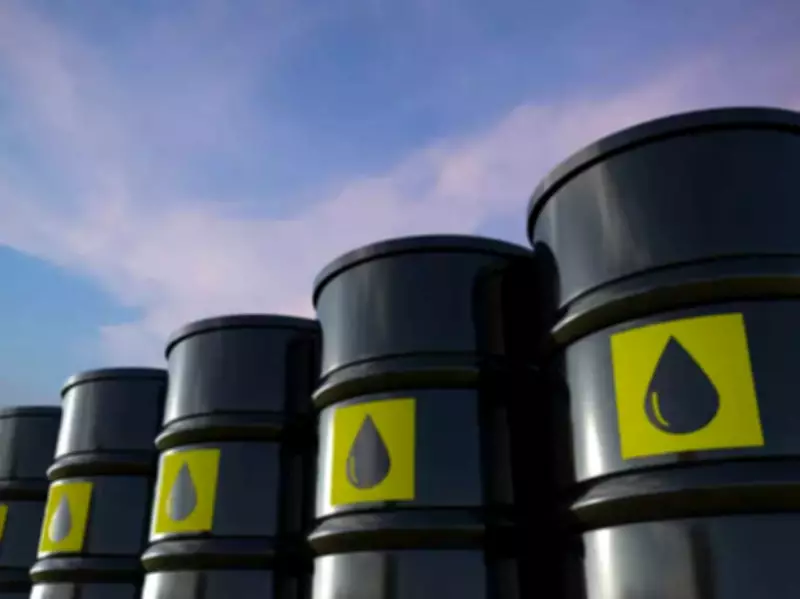
Oil Prices Experience Slight Relaxation Amid Escalating Middle East Tensions
Crude oil prices demonstrated a modest relaxation on Wednesday, following a period of significant volatility driven by ongoing conflicts in the Middle East. Brent crude initially surged by 3.2% to reach $103.42 per barrel, but later retreated by $1.15, or 1.11%, settling at $102.27 per barrel by 0108 GMT. Similarly, US West Texas Intermediate crude declined by $1.54, or 1.6%, to $94.67 per barrel. These movements highlight the delicate balance between geopolitical risks and market fundamentals influencing global energy markets.
Geopolitical Factors Driving Price Fluctuations
The initial price gains marked oil's second-highest close this year, with increases observed in 11 of the past 13 trading sessions. This upward trend was primarily fueled by fresh attacks on critical energy infrastructure, including Iran's Majnoon oil field and a gas field in the United Arab Emirates, both of which suspended production. The disruption of tanker traffic through the Strait of Hormuz, a vital corridor for global oil shipments, has intensified concerns over supply security, sending ripples through stock and bond markets worldwide.
Meanwhile, the Middle East conflict continues to escalate. Israel announced the killing of Iran's national security chief, Ali Larijani, following Tehran's overnight attack that set a massive UAE gas field ablaze. In response, former US President Trump threatened further strikes on Kharg Island, Iran's main oil export hub. Reports also indicate that Russia is supplying Iran with satellite imagery and drone technology, adding another layer of complexity to the regional dynamics.

Impact on Global Markets and Consumer Prices
In the United States, rising oil costs have directly impacted consumers. AAA reported that the national average for a gallon of regular gasoline jumped to $3.79 on Tuesday, up from $2.98 before US and Israeli forces launched attacks on February 28. Despite America being a net oil exporter, it still relies on imports of heavier crude for coastal refineries, making it vulnerable to global supply disruptions.
To mitigate these effects, the International Energy Agency has pledged to release 400 million barrels from member stockpiles, with the US contributing 172 million barrels from its Strategic Petroleum Reserve. However, analysts caution that these measures will only provide short-term relief. Seasonal demand increases and shifts to more expensive "summer blend" fuels could sustain upward pressure on prices in the coming months.
Effects on India's Fuel Supply Chain
In India, consumers are growing increasingly concerned over a potential LPG supply crunch triggered by global energy disruptions. Oil marketing companies have tightened LPG booking norms in response to the ongoing West Asia conflict affecting fuel supply chains. Under revised instructions, LPG distributors in certain states were directed not to accept refill bookings from customers who had not ordered a cylinder for more than nine months, unless they completed mandatory KYC verification.
In a press briefing a day earlier, the Centre reassured the public that the supply of cooking gas continues without disruption and advised against making panic bookings. Nevertheless, the situation underscores the interconnectedness of global energy markets and the vulnerability of supply chains to geopolitical events.
Market Outlook and Future Implications
Light crude futures also experienced volatility, rising 2.9% to $96.21 per barrel before easing. The price relaxation later in the day was partly attributed to reports based on American Petroleum Institute data showing a rise in US crude inventories, which alleviated some immediate supply concerns.
As tensions in the Middle East persist, the oil market remains on edge. The combination of military escalations, supply disruptions, and strategic stockpile releases creates a complex landscape for traders and policymakers alike. Stakeholders are closely monitoring developments, as further incidents could swiftly reverse the slight price relaxation observed on Wednesday.