

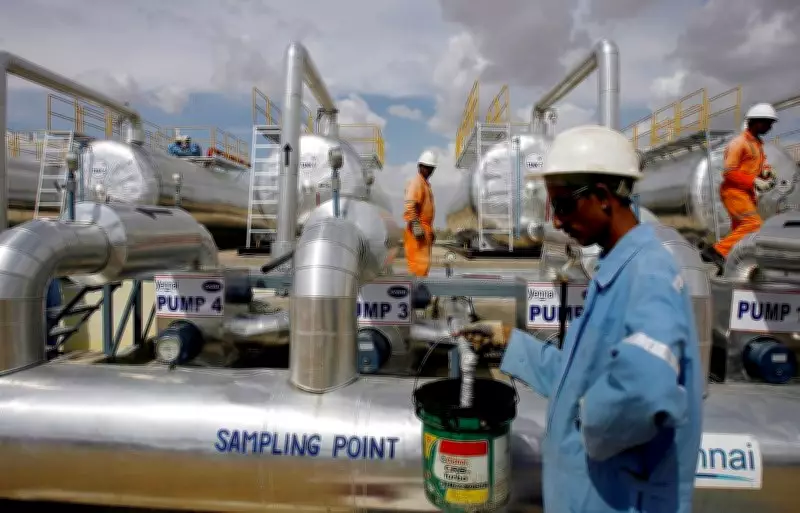
How the Oil Shock Has Put India's Economy Under Intense Pressure
The Indian economy is grappling with mounting challenges as a sharp rise in global oil prices, often termed an "oil shock," exerts severe pressure on multiple fronts. This development has triggered concerns among policymakers, economists, and industry leaders, who warn of far-reaching implications for inflation, trade balances, and overall economic stability.
Impact on Inflation and Consumer Prices
The surge in oil prices has directly fueled inflationary pressures across the economy. As a net importer of crude oil, India faces higher costs for petroleum products, which cascade into increased prices for transportation, manufacturing, and essential goods. This has led to a spike in consumer price inflation, eroding household purchasing power and straining budgets, particularly for low- and middle-income families. The Reserve Bank of India (RBI) may be compelled to adopt tighter monetary policies to curb inflation, potentially slowing economic growth.
Strain on Trade Deficit and Fiscal Health
India's trade deficit has widened significantly due to the oil shock, as the country imports over 80% of its crude oil requirements. The increased import bill for oil has put pressure on the current account deficit, weakening the rupee and making imports more expensive. This scenario complicates fiscal management, as the government may need to adjust subsidies or increase spending to mitigate the impact, risking higher public debt and budgetary constraints.

Effects on Growth and Industrial Output
The oil shock is dampening economic growth prospects by raising input costs for industries and reducing consumer demand. Key sectors such as:
- Automobiles: Higher fuel prices are discouraging vehicle purchases.
- Manufacturing: Increased energy costs are squeezing profit margins.
- Agriculture: Rising diesel prices affect irrigation and transportation.
This could lead to slower industrial output and job creation, hampering recovery efforts post-pandemic.
Policy Responses and Strategic Measures
In response to the oil shock, experts advocate for a multi-pronged approach to alleviate economic pressure. Recommended measures include:
- Diversifying energy sources by boosting renewable energy investments.
- Enhancing domestic oil production and strategic petroleum reserves.
- Implementing targeted subsidies to protect vulnerable populations.
- Strengthening diplomatic ties with oil-exporting nations for stable supplies.
These steps could help mitigate the adverse effects and build long-term resilience against future price volatility.
Global Context and Future Outlook
The oil shock is not isolated to India but reflects broader global trends driven by geopolitical tensions, supply chain disruptions, and fluctuating demand. Analysts emphasize that sustained high oil prices could prolong economic challenges, necessitating adaptive strategies. While short-term relief may come from price corrections, India must focus on structural reforms to reduce oil dependency and foster sustainable growth.
In summary, the oil shock has placed India's economy under considerable strain, highlighting vulnerabilities in its energy import reliance. Addressing this requires coordinated policy actions to stabilize inflation, manage deficits, and secure growth in an uncertain global landscape.






