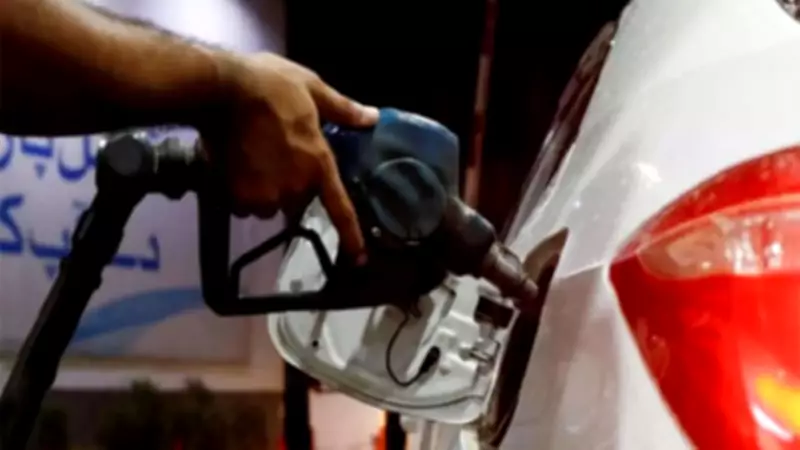
Pakistan Implements Sharp Fuel Price Increase Amid Global Turmoil
Pakistan has announced a significant rise in petrol and diesel prices for the second time in less than a month, as the ongoing Middle East war continues to exacerbate the global oil crisis. This latest hike is anticipated to intensify inflationary pressures and further burden citizens already grappling with escalating living costs.
Revised Fuel Rates Announced by Government Officials
The updated fuel prices were disclosed by petroleum minister Ali Pervaiz Malik during a press conference broadcast on state television, with finance minister Muhammad Aurangzeb also in attendance. According to Reuters, diesel prices have surged by 54.9 per cent to 520.35 rupees per litre, while petrol prices have increased by 42.7 per cent to 458.40 rupees per litre. Additionally, the government has raised kerosene prices by 34.08 rupees per litre, bringing it to 457.80 rupees per litre. These new rates are effective immediately, making fuel substantially more expensive nationwide.
Government Defends Decision as 'Inevitable'
In defense of the price hike, Malik emphasized that the government had minimal alternatives but to transfer the burden of rising global oil prices to consumers. He attributed the volatility in international markets to the US-Iran conflict, which has disrupted supply chains and driven crude prices sharply higher. Describing the move as inevitable, Malik stated, "It was inevitable to raise the prices due to the international market prices going out of control after the US-Iran war."

Factors Driving Fuel Price Increases in Pakistan
The sharp escalation in fuel prices is closely tied to geopolitical tensions in the Middle East and Pakistan's heavy dependence on imported oil. The ongoing conflict has interrupted supply routes, particularly through the Strait of Hormuz, a crucial channel for global oil shipments. Pakistan relies extensively on imports from nations like Saudi Arabia and the United Arab Emirates, rendering it highly susceptible to fluctuations in international prices. Concurrently, global benchmarks have experienced notable volatility, leaving import-dependent economies such as Pakistan with few options.
The government indicated an inability to sustain large-scale fuel subsidies due to mounting fiscal pressures. Malik noted that approximately 129 billion rupees had been expended in recent weeks to protect consumers from price rises, as reported by Dawn. With constrained resources and no imminent resolution to the conflict, the government has opted to shift from blanket subsidies to targeted assistance for the most vulnerable segments of society. "Since the resources are limited and there is no end to this war in sight, there was no way to continue with a blanket subsidy," he explained.
Targeted Relief Measures for Vulnerable Groups
Finance minister Muhammad Aurangzeb unveiled a series of targeted relief initiatives designed to mitigate the impact on specific demographics. These include subsidies for motorcyclists, support for small-scale farmers, and financial aid for the transport sector to help stabilize fares and ensure the uninterrupted movement of goods and passengers. The government also intends to extend support to low-income individuals utilizing rail services.