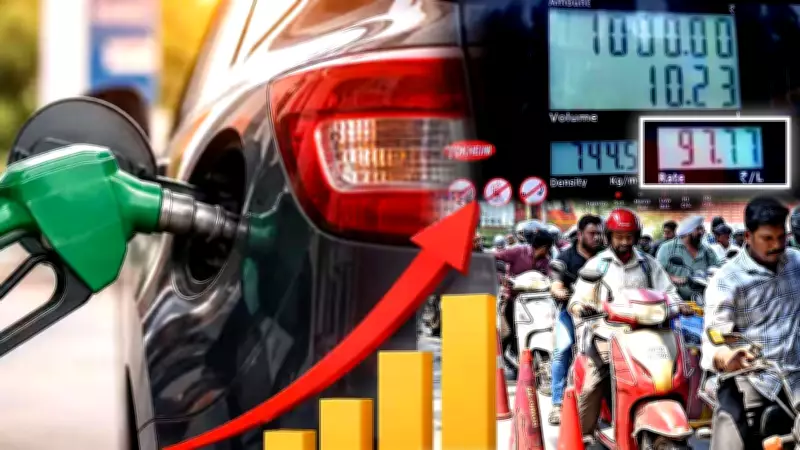
The central government has increased petrol and diesel prices by ₹3 per litre and CNG rates by ₹2 per kilogram, responding to escalating global energy concerns triggered by the Iran war and disruptions in the Strait of Hormuz. Prime Minister Narendra Modi called upon citizens to conserve fuel, emphasizing the need for collective effort during this period of international turmoil. Petroleum Minister Hardeep Singh Puri cautioned that additional price adjustments may be implemented if the situation persists.
Background of the Price Hike
The decision comes amid rising tensions in the Middle East, particularly the conflict involving Iran and the blockade of the Strait of Hormuz, a critical chokepoint for global oil shipments. This has led to a surge in crude oil prices worldwide, directly impacting domestic fuel costs in India, which imports a significant portion of its oil. The government aims to mitigate the impact on the economy while ensuring energy security.
Government's Appeal for Conservation
Prime Minister Modi urged the public to adopt fuel-saving measures, such as carpooling, using public transport, and avoiding unnecessary trips. He stressed that small individual efforts can collectively reduce national fuel consumption and ease the burden on the exchequer. The Petroleum Minister echoed this sentiment, warning that failure to curb usage could lead to further price increases.

Impact on Consumers and Industry
The hike will affect transportation costs, household budgets, and industrial operations. Auto-rickshaws, taxis, and personal vehicles running on CNG will see increased operational expenses. The government has assured that it is monitoring the situation closely and will take necessary steps to stabilize prices. Meanwhile, opposition parties have criticized the move, demanding relief measures for the common man.
Global Context
The Strait of Hormuz crisis has disrupted oil supplies from major producers like Saudi Arabia, Iraq, and the UAE, causing volatility in international markets. India is engaging with diplomatic channels to ensure alternative supply routes and maintain energy imports. The situation remains fluid, with potential implications for inflation and fiscal policy.
Citizens are advised to stay informed about further announcements and to follow fuel conservation guidelines issued by the government. The authorities are working to minimize the economic fallout while prioritizing national energy security.