

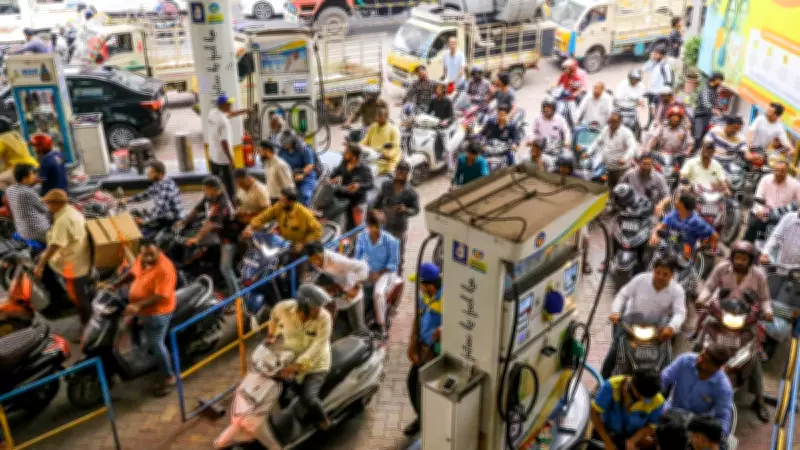
Government Slashes Excise Duty, Petrol and Diesel Prices See Significant Drop
In a major move aimed at providing relief to consumers, the Indian government has announced a substantial cut in excise duty on petrol and diesel. This policy change, effective from March 27, has resulted in an immediate reduction in fuel prices across the country, with notable decreases observed in key metropolitan areas.
Impact on Major Cities: Delhi, Mumbai, Bengaluru, and Chennai
The excise duty reduction has led to revised petrol and diesel rates in several major cities. In Delhi, the capital city, petrol prices have fallen, while diesel costs have also seen a decline. Similarly, Mumbai has witnessed a drop in fuel prices, offering some respite to motorists in the financial hub. Bengaluru and Chennai are among other cities experiencing lower rates, reflecting the nationwide effect of this government initiative.
This adjustment comes as part of broader efforts to manage inflation and support economic stability. By reducing the tax burden on fuels, the government aims to ease the financial pressure on households and businesses, particularly in the face of rising global oil prices.

Detailed City-Wise Fuel Price Changes
As of March 27, the new petrol and diesel prices after the excise duty cut are as follows:
- Delhi: Petrol and diesel rates have decreased, with specific figures reflecting the tax reduction.
- Mumbai: Fuel prices are lower, aligning with the government's policy to curb costs.
- Bengaluru: A noticeable drop in petrol and diesel prices has been recorded.
- Chennai: Similar reductions apply, contributing to overall consumer savings.
The excise duty cut is expected to have a cascading effect, potentially lowering transportation costs and influencing prices of goods and services. This move is seen as a proactive step to address public concerns over high fuel expenses, which have been a persistent issue in recent times.
Industry experts suggest that this reduction could boost economic activity by increasing disposable income and reducing operational costs for various sectors. However, the long-term impact will depend on global crude oil trends and further government policies.
Consumers are advised to check with local fuel stations for the most up-to-date prices, as rates may vary slightly based on local taxes and other factors. The government's decision underscores its commitment to responsive governance and economic relief measures.






