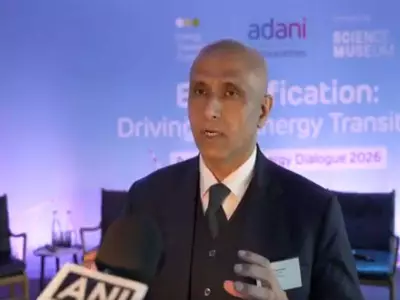
Union Minister for Petroleum and Natural Gas, Hardeep Singh Puri, has stated that the Indian government has no immediate plans to reduce petrol and diesel prices, even as global crude oil prices have fallen. Speaking to reporters on July 2, 2026, Puri emphasized that the current retail prices reflect a complex interplay of international market trends, domestic taxes, and the need to maintain fiscal stability.
Global Crude Prices Decline, But No Relief for Consumers
Brent crude oil prices have dipped to around $72 per barrel, down from recent highs of over $85 per barrel. This decline has sparked expectations among consumers that fuel prices in India might be cut. However, the minister clarified that the government is not considering a price revision at this time. "We are monitoring the situation closely, but any decision on price revision will depend on sustained trends and overall economic considerations," Puri said.
Reasons Behind Sticky Fuel Prices
The minister highlighted several factors that prevent an immediate price reduction. First, the government's tax revenue from petroleum products is a critical component of its fiscal resources. Central excise duty and state-level VAT contribute significantly to public finances. Second, oil marketing companies (OMCs) need to recover past under-recoveries and maintain healthy margins. Third, the rupee-dollar exchange rate volatility adds to the uncertainty. "It is not just about the crude price; we have to look at the entire value chain," Puri explained.

Impact on Consumers and Economy
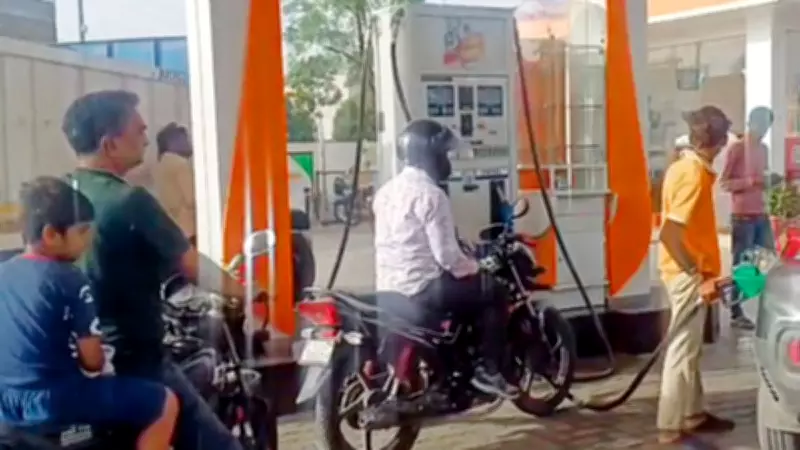
Currently, petrol retails at around ₹96 per litre in Delhi, while diesel is priced at about ₹87 per litre. These prices have remained unchanged for several months despite fluctuations in global crude. Consumer groups have expressed disappointment, arguing that falling crude should translate to lower pump prices. However, economists point out that the government's priority is to control inflation and manage the fiscal deficit. The minister reiterated that any price change would be carefully calibrated to avoid disrupting the economy.
Future Outlook
Puri indicated that the government would continue to review the situation on a monthly basis. If Brent crude remains below $70 per barrel for an extended period, a price reduction could be considered. Meanwhile, the government is also promoting alternative fuels like ethanol and compressed biogas to reduce dependence on imported crude. "We are committed to ensuring affordable energy for all, but it must be done in a sustainable manner," the minister concluded.