Farmers Face Difficult Crop Season
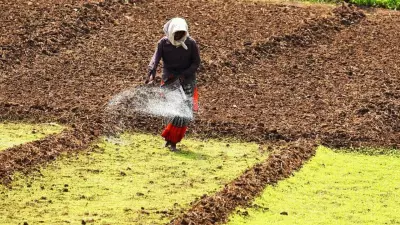
As the new agricultural season approaches, farmers in India are preparing for what experts predict will be a particularly challenging period. Unpredictable weather patterns, including delayed monsoons and unexpected heatwaves, have raised concerns about crop yields. Additionally, the rising cost of inputs such as fertilizers, pesticides, and fuel has put financial pressure on growers. Many small-scale farmers are worried about their ability to sustain their livelihoods.
Weather Uncertainties
Meteorological data indicates a higher probability of erratic rainfall this season. Some regions may experience drought-like conditions, while others could face flooding. This variability makes it difficult for farmers to plan sowing and irrigation schedules. The Indian Meteorological Department has advised farmers to adopt climate-resilient cropping patterns and use water-saving techniques like drip irrigation.
Rising Input Costs
The prices of key agricultural inputs have surged. Urea, a commonly used nitrogen fertilizer, has become more expensive due to global supply chain disruptions. Similarly, diesel prices remain high, increasing the cost of operating tractors and irrigation pumps. To cope, farmers are exploring alternative fertilizers and organic methods, but these often require higher initial investments.

Government Support
The central and state governments have announced several measures to assist farmers. These include subsidies on fertilizers, easy access to credit through Kisan Credit Cards, and the expansion of the Pradhan Mantri Fasal Bima Yojana (crop insurance scheme). Additionally, the government is promoting the use of digital platforms for timely weather alerts and market information. However, implementation challenges remain, particularly in remote areas.
Expert Recommendations
Agricultural experts suggest that farmers diversify their crops to reduce risk. For instance, intercropping with legumes can improve soil fertility and provide an alternative income source. They also recommend investing in rainwater harvesting structures and using drought-resistant seed varieties. Extension services are being ramped up to provide on-ground training.
Conclusion
While the upcoming crop season presents significant hurdles, proactive measures by farmers and government support can help mitigate the impact. Timely access to information and resources will be key to ensuring food security and farmer welfare. The resilience of India's farming community will once again be put to the test.