

Punjab's Agricultural Stakeholders Meet Union Minister Over Critical Supply Chain Issues
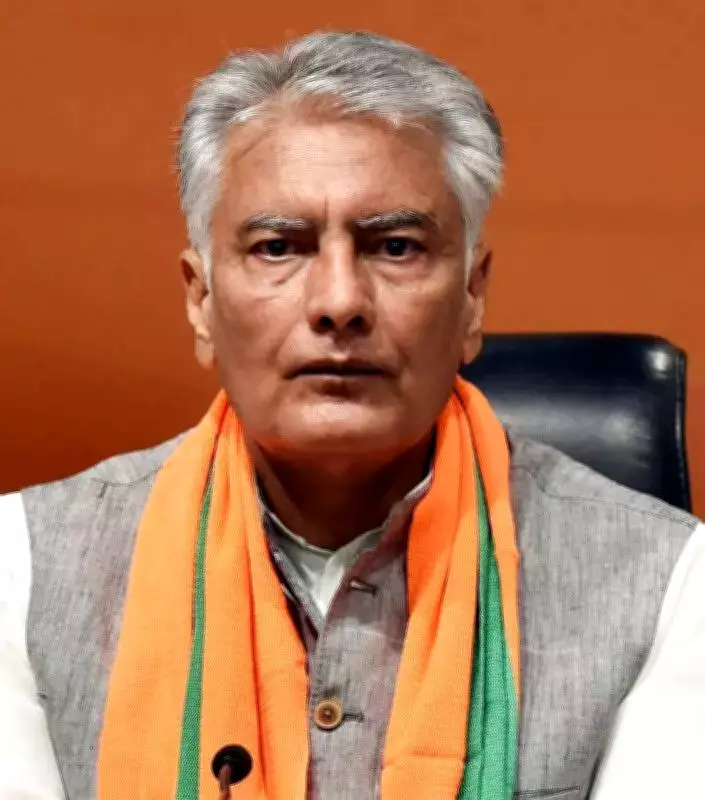
Chandigarh: A high-level delegation comprising BJP leaders Sunil Jakhar and Tarun Chugh, along with representatives from Punjab's sheller, arhtiya, and flour mill associations, held a crucial meeting with Union Minister for Consumer Affairs, Food and Public Distribution Pralhad Joshi. The group presented a series of urgent demands aimed at resolving long-standing issues that are severely impacting the state's agricultural supply chain and economic stability.
Minister Assures Examination of Critical Concerns
Following the meeting, Sunil Jakhar addressed the media, confirming that Minister Joshi had attentively listened to the delegation's concerns and provided assurances that all matters would be thoroughly examined. Jakhar emphasized the vital role these stakeholders play in Punjab's agricultural economy, noting that while some issues fall under the jurisdiction of the Punjab government, others require immediate central intervention.
Fortified Rice Policy Creates Widespread Discontent
The state government's policy regarding fortified rice has emerged as a primary source of concern, particularly for sheller owners. During the Kharif Marketing Season 2025-26, Punjab rice millers are mandated to deliver approximately 105 lakh metric tonnes of rice to the Food Corporation of India for the central pool. Of this total, about 85 lakh metric tonnes must be supplied as fortified rice, necessitating the blending of fortified rice kernels.

The Punjab government issues tenders for empanelment of FRK manufacturers and procures FRK from them to distribute to rice millers for blending purposes. However, Jakhar revealed that more than 5,000 rice millers are experiencing widespread dissatisfaction, concern, and anger due to persistent delays in FRK deliveries. These delays prevent timely rice supply, creating a critical bottleneck in the agricultural supply chain.
With the approaching hot months, paddy stored since October 2025 risks deterioration, making conversion into good-quality rice increasingly difficult. This situation poses significant financial losses for millers and threatens the stability of rice supplies nationwide.
Comprehensive List of Demands Presented to Union Minister
The delegation presented a detailed set of demands to address these pressing issues:
- Allocation of CMR Quota: Since the central government maintains sufficient fortified rice stocks to meet distribution needs for the next two years, the delegation demanded that Punjab be allocated at least 20-25 LMT CMR quota, including 25% broken rice, to alleviate pressure on FRK supply.
- Expedited FRK Testing: They urged that the Department of Food and Public Distribution be directed to accelerate the FRK testing process in its laboratories to ensure timely availability of fortified rice kernels.
- Additional Staff Deployment: The delegation recommended deploying additional staff if necessary to streamline operations and prevent future delays.
- Regular Monitoring of Rice Movement: They called for regular monitoring of rice movement out of Punjab to speed up lifting processes and create adequate space for fresh deliveries.
- Permanent Mechanism for FRK Procurement Rates: A permanent mechanism should be established for rational fixation of FRK procurement rates to prevent similar situations in future seasons.
- Implementation of AGA Machines: Automatic Grain Analyser machines should be installed at all FCI depots to ensure grain quality, reduce human intervention, and curb corruption.
- Payment Assurance for Labour and Transportation: The Centre must ensure that labour and transportation charges for rice are promptly paid to the mills as stipulated.
Arhtiya Association Highlights Commission and Payment Issues
The delegation also raised concerns on behalf of the arhtiya association, representing more than 50,000 commission agents who play a crucial role in the state's marketing infrastructure. The current commission structure has created significant difficulties, especially as inflation and other operational expenses continue to rise steadily.

Key demands from the arhtiya association include:
- Restoration of the 2.5% commission to ensure fair compensation for their essential services.
- Early release of Rs 50 crore withheld by FCI under the pretext of EPF contributions.
- Clearance of pending commission dues for the financial year 2023-24 to maintain financial stability within the sector.
This meeting marks a significant step in addressing systemic issues within Punjab's agricultural supply chain, with stakeholders hopeful that central intervention will bring much-needed relief and stability to the sector.





