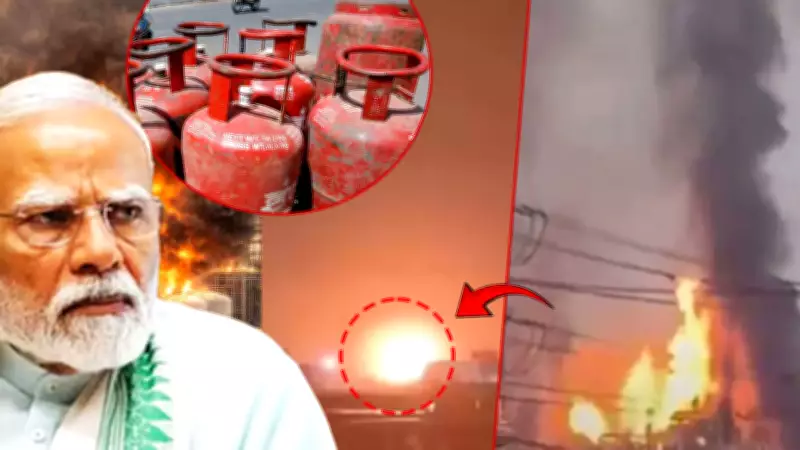
Qatar LNG Hub Strike Exposes India's Fragile Energy Dependence
The recent strike targeting the Ras Laffan liquefied natural gas (LNG) hub in Qatar has sent shockwaves through global energy markets, with India facing immediate and severe consequences. As the world's largest LNG export facility suffers disruption, India's heavy reliance on Qatari gas imports places the nation at the forefront of this unfolding crisis.
Immediate Threats to India's Economy and Daily Life
The impact is multifaceted and urgent. Rising fuel costs are already becoming apparent, putting pressure on household budgets and industrial operations. LPG availability is under strain, potentially affecting millions of consumers who depend on it for cooking and heating. The ripple effects extend across critical sectors:
- Agriculture: Increased costs for fertilizers and irrigation powered by natural gas.
- Power Generation: Potential shortages affecting electricity supply.
- Industry: Higher production costs for manufacturing and processing.
Geopolitical Tensions Compound Supply Chain Risks
While Indian vessels carrying LNG have reportedly reached their destinations safely, the broader situation remains precarious. The uncertainty in the Strait of Hormuz continues to pose a major risk to maritime energy transport. This critical chokepoint for global oil and gas shipments adds another layer of vulnerability to India's energy supply chain.

India's Swift Response to the Crisis
The Indian government has responded with a dual strategy of military and diplomatic measures. Naval deployments have been initiated to secure shipping lanes, while intense diplomatic engagement across the Gulf region aims to stabilize the situation and ensure continued energy flows.
The Broader Lesson in Energy Security
This crisis underscores a fundamental reality: energy security in the 21st century is no longer just about supply contracts. It requires navigating complex geopolitical tensions and building resilience against disruptions that originate thousands of kilometers away. The Ras Laffan incident demonstrates how events in distant regions can directly influence daily life and economic stability in India.
The need for strategic energy planning and diversified supply sources has never been more critical. As global energy networks reveal their fragility, India must accelerate efforts toward energy independence and robust contingency planning to protect its economy and citizens from future shocks.