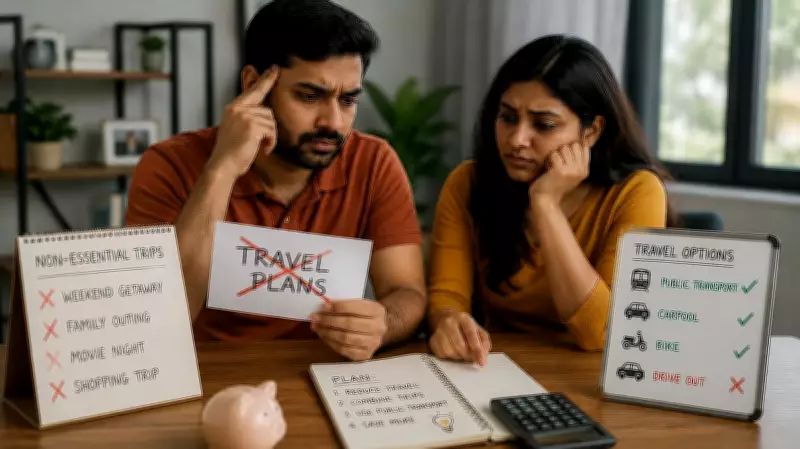
Rising petrol prices in India are prompting a significant shift in commuting habits, according to a recent survey. The study, conducted by a leading market research firm, found that nearly 60% of Indian vehicle owners are considering switching to public transportation or alternative modes of travel due to the escalating fuel costs. This trend marks a notable departure from the traditional preference for personal vehicles, especially in urban areas.
Survey Highlights
The survey polled over 10,000 respondents across major Indian cities, including Delhi, Mumbai, Bengaluru, and Chennai. Key findings include:
- 60% of respondents said they are likely to reduce personal vehicle usage in the next six months.
- 45% have already started using public transport more frequently.
- 30% are considering carpooling or ride-sharing services.
- 25% are exploring the use of bicycles or electric scooters for short distances.
The primary reason cited was the sharp increase in petrol prices, which have risen by over 20% in the past year. Additionally, concerns about traffic congestion and environmental impact were also significant factors.

Impact on Daily Life
For many commuters, the decision to switch is not just about saving money but also about time and convenience. “I used to drive to work every day, but now I take the metro. It saves me both fuel costs and the stress of sitting in traffic,” said Ramesh Kumar, a software engineer in Bengaluru. However, the shift is not without challenges. Many respondents expressed dissatisfaction with the current state of public transport infrastructure, citing overcrowding, lack of last-mile connectivity, and safety concerns.
Government and Policy Implications
The survey results come at a time when the Indian government is promoting electric vehicles and expanding public transport networks. The findings underscore the need for urgent policy interventions to make public transport more efficient and accessible. Experts suggest that improving bus rapid transit systems, increasing the frequency of metro services, and integrating different modes of transport could encourage more people to leave their cars at home.
Economic and Environmental Benefits
A shift away from personal vehicles could have multiple benefits. Reduced fuel consumption would lower India's oil import bill, while decreased traffic congestion would save billions of hours in lost productivity. Environmentally, fewer cars on the road would mean lower carbon emissions, contributing to India's climate goals. However, the transition requires substantial investment in public transport infrastructure and a change in commuter mindset.
Overall, the survey indicates that rising petrol prices are acting as a catalyst for change in Indian commuting patterns. Whether this shift becomes permanent will depend on how effectively the government and private sector address the existing gaps in public transport systems.