

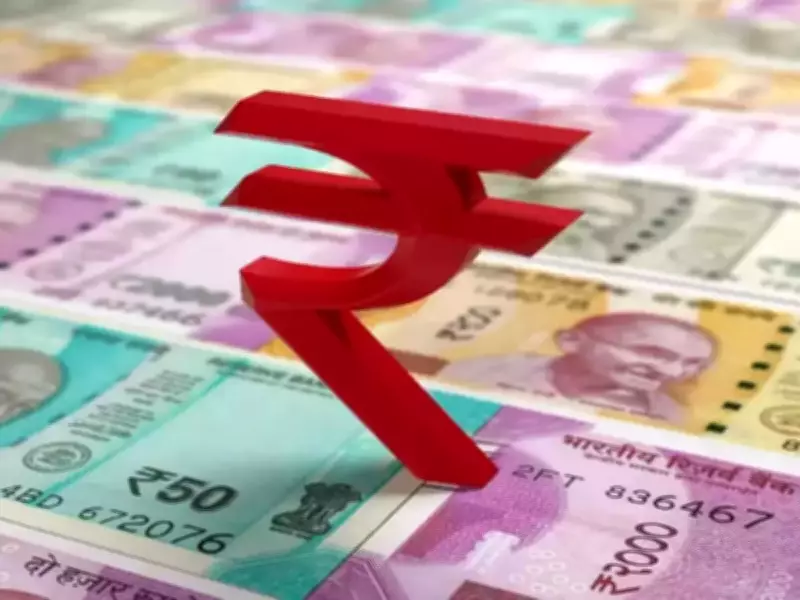
Rupee Plummets to Historic Low Against US Dollar Amid Global Turmoil
The Indian rupee experienced a sharp decline, hitting an intra-day low of 92.37 against the US dollar during early trading on Friday. This represents a drop of 12 paise, as the currency was weighed down by escalating global crude oil prices and subdued domestic market sentiment, exacerbated by the ongoing conflict in West Asia.
Market Dynamics and Trading Session Details
At the interbank foreign exchange market, the rupee opened at 92.33 per dollar before weakening further to 92.37, marking its lowest intra-day level. This follows a previous session where the currency slipped to an intra-day low of 92.36 before settling at 92.25 per US dollar, a decline of 24 paise and its weakest closing level on record. Earlier in the week, the rupee had already touched a low of 92.528, indicating sustained downward pressure.
Key Factors Driving the Rupee's Slide
Forex traders attribute the continued depreciation to a combination of critical factors:

- Firm Global Crude Prices: Brent crude, the global oil benchmark, surged 4.99% to $96.57 per barrel in futures trade, driven by geopolitical tensions.
- Sustained Selling by Foreign Institutional Investors (FIIs): Exchange data revealed that FIIs offloaded equities worth Rs 7,049.87 crore on a net basis on Thursday.
- Stronger US Dollar: The dollar index, which measures the greenback against a basket of six major currencies, rose 0.04% to 99.77.
- Weak Domestic Equities: Domestic stock markets traded lower, with Nifty50 falling below 23,400 and BSE Sensex tumbling 900 points.
Expert Insights on Market Conditions
Anil Kumar Bhansali, head of treasury and executive director at Finrex Treasury Advisors LLP, highlighted the impact of energy market developments and global currency trends. "Oil prices remained elevated after Iran said the Strait of Hormuz is closed permanently till the resolution of the crisis. The dollar index also rose, European and Asian currencies all fell against the dollar," he said. Bhansali further noted that the rupee remains vulnerable and suggested that without intervention, it could have reached 93.00 levels.
Domestic Market and Economic Indicators
During the trading session, domestic equity markets showed significant declines. At 10:20 am, Nifty50 was trading at 23,325.45, down 313.70 points or 1.33%, while BSE Sensex stood at 75,117.81, down 916 points or 1.21%. Additionally, official data released on Thursday indicated that retail inflation in India increased to 3.21% in February from 2.74% in January, primarily due to higher food prices.
Global Context and Geopolitical Tensions
The rupee's decline is closely tied to broader global events, including the West Asia conflict, which has heightened uncertainty in financial markets. Factors such as Iran's threats to regional oil and gas supplies and ongoing military actions have contributed to volatility, influencing both crude prices and currency movements worldwide.






