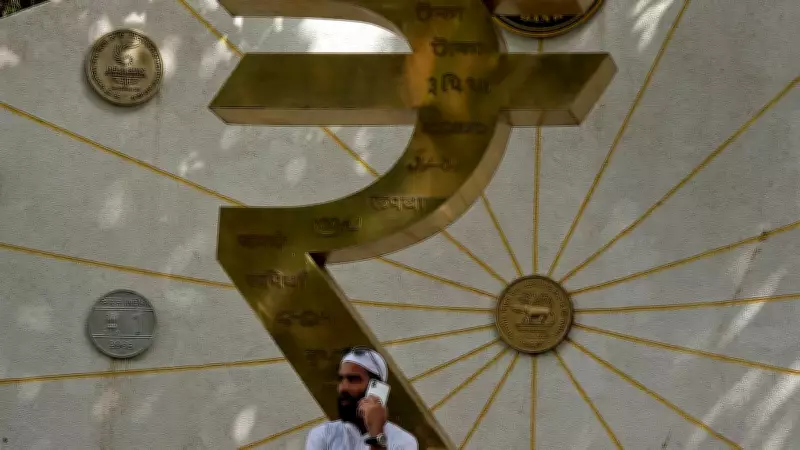
Indian Rupee Plummets to Unprecedented Low Against US Dollar
The Indian rupee has plunged to a record-breaking low, settling at 94.94 against the US dollar on a provisional basis, marking a significant downturn in the foreign exchange market. This dramatic decline occurred despite initial optimism following regulatory intervention by the Reserve Bank of India.
RBI's Early Move Fails to Sustain Rupee Strength
Earlier in the trading session, the rupee opened on a strong note after the Reserve Bank of India implemented a crucial policy change. The central bank reduced the net open position that banks are permitted to maintain overnight to $100 million, a move aimed at stabilizing the currency and curbing excessive volatility. This adjustment was intended to provide a supportive framework for the rupee, encouraging a more controlled trading environment.
However, this early boost proved short-lived as market forces quickly overwhelmed the initial positive sentiment. The rupee not only erased all its gains but experienced a severe downward spiral, falling a staggering 160 paise from its opening level. This sharp reversal highlights the intense pressure facing the Indian currency amid global economic uncertainties and domestic market dynamics.

Analysis of the Rupee's Historic Decline
The provisional settlement at 94.94 represents an all-time low for the rupee, underscoring the challenges in maintaining currency stability. Forex analysts point to a combination of factors contributing to this decline, including:
- Global Dollar Strength: The US dollar has been gaining momentum against multiple currencies, driven by Federal Reserve policies and international demand.
- Market Sentiment: Investor confidence in emerging market currencies like the rupee has wavered, leading to increased selling pressure.
- Economic Indicators: Broader economic data and trade imbalances may have influenced the rupee's performance, exacerbating the fall.
This development is particularly noteworthy as it comes despite proactive measures by the RBI. The central bank's attempt to limit banks' net open positions was designed to reduce speculative trading and promote stability, yet the rupee's trajectory suggests deeper underlying issues at play.
Implications for the Indian Economy
The rupee's record low has far-reaching implications for various sectors of the Indian economy. A weaker rupee can lead to:
- Increased Import Costs: Essential imports, including crude oil and electronics, become more expensive, potentially fueling inflation.
- Export Competitiveness: On the positive side, Indian exports may become more attractive in global markets due to favorable exchange rates.
- Foreign Investment: Currency volatility might deter foreign investors, impacting capital flows and stock market performance.
Market observers are closely monitoring the situation, as further depreciation could prompt additional interventions from the RBI. The central bank may consider other tools, such as direct dollar sales or interest rate adjustments, to support the rupee and prevent excessive fluctuations.
As of March 30, 2026, the forex market remains highly volatile, with traders anticipating the RBI's next steps. The rupee's performance against the dollar will continue to be a key indicator of India's economic resilience in the face of global headwinds.