

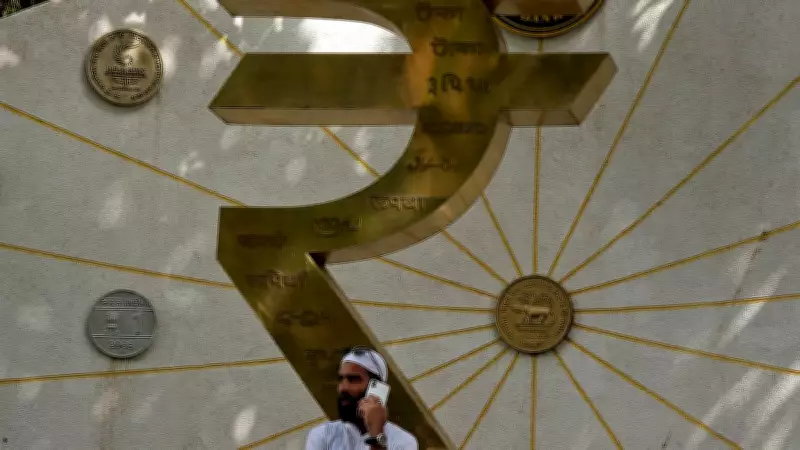
Indian Rupee Strengthens Against US Dollar, Settles at 92.91
The Indian rupee demonstrated notable strength in the foreign exchange market on Friday, appreciating by 23 paise to close at 92.91 against the US dollar. This upward movement reflects a combination of favorable domestic and international factors that bolstered investor confidence in the currency.
Early Trading Surge and Market Dynamics
In early trading sessions, the rupee had surged even more significantly, jumping 28 paise to reach 92.86 against the US dollar. This initial spike was primarily attributed to growing optimism surrounding the easing of geopolitical tensions globally, which reduced safe-haven demand for the dollar. Additionally, positive sentiment in domestic equity markets provided substantial support, as robust stock performance often attracts foreign capital inflows that strengthen the rupee.
The forex market witnessed active trading throughout the day, with the rupee maintaining its gains despite some volatility. Analysts noted that the currency's performance was underpinned by a broader risk-on environment, where investors showed increased appetite for emerging market assets like the Indian rupee.

Key Drivers Behind the Rupee's Appreciation
Several critical factors contributed to the rupee's appreciation against the US dollar:
- Geopolitical Developments: Hopes for a reduction in international conflicts and tensions played a pivotal role. As geopolitical risks diminish, the US dollar typically loses some of its appeal as a safe-haven currency, allowing currencies like the rupee to gain ground.
- Domestic Equity Market Performance: Positive movements in Indian stock indices created a favorable backdrop. Strong equity markets often lead to increased foreign institutional investment (FII) inflows, which directly support the rupee by boosting demand for the local currency.
- Market Sentiment and Economic Outlook: Overall investor confidence in India's economic resilience and growth prospects helped sustain the rupee's strength. Traders and investors responded optimistically to domestic economic indicators and policy stability.
Implications for the Economy and Future Outlook
A stronger rupee can have mixed effects on the Indian economy. On the positive side, it may help reduce the cost of imports, potentially easing inflationary pressures for goods and services purchased from abroad. This is particularly beneficial for sectors reliant on imported raw materials or technology.
However, exporters might face challenges as a stronger rupee makes Indian goods more expensive in international markets, potentially impacting export competitiveness. The Reserve Bank of India (RBI) and financial authorities typically monitor such currency movements closely to ensure they align with broader economic objectives.
Looking ahead, market participants will be watching for further developments in global geopolitics, domestic economic data releases, and central bank policies. These factors will likely influence the rupee's trajectory in the coming sessions. Continued stability in equity markets and favorable international conditions could support further gains, though volatility remains a possibility given the dynamic nature of forex markets.
The rupee's performance on Friday underscores its sensitivity to both domestic and global cues, highlighting the interconnectedness of financial markets in today's economy.






