

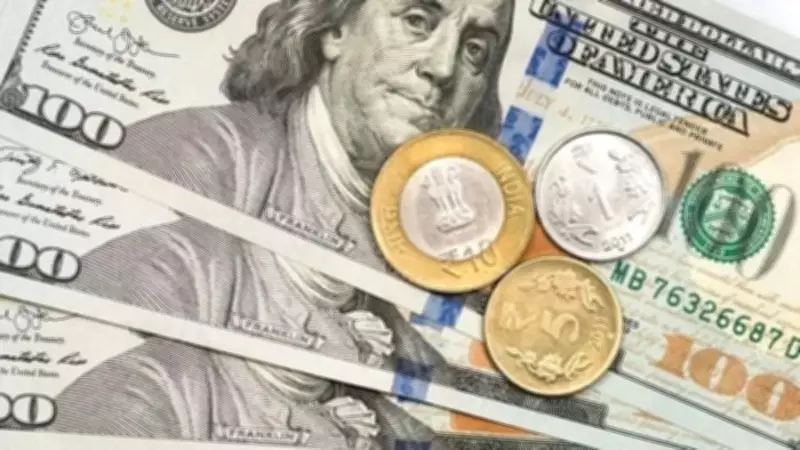
Indian Rupee Appreciates Significantly in Early Trading Session
The Indian rupee demonstrated a notable upward movement against the US dollar during the early trading hours on Thursday, registering a gain of 37 paise. This positive shift brought the local currency to a stronger position of 91.56 per US dollar, reflecting improved market sentiment and supportive economic factors.
Key Drivers Behind the Rupee's Strength
Several interconnected elements contributed to the rupee's appreciation in the forex market. Robust performance in domestic equity indices played a crucial role, as investor confidence in Indian markets bolstered demand for the rupee. Concurrently, inflows from foreign institutional investors (FIIs) provided additional support, enhancing liquidity and strengthening the currency's value against the greenback.
Market analysts have pointed out that the rupee's rise is also influenced by broader global trends and domestic economic indicators. The stability in crude oil prices and optimistic outlook on India's economic recovery have created a favorable environment for the currency. Furthermore, the Reserve Bank of India's (RBI) monetary policies and interventions in the forex market are being closely monitored, as they can impact exchange rate volatility.

Implications for Trade and Economy
The strengthening of the rupee has significant implications for various sectors of the Indian economy. A stronger rupee can lead to reduced import costs, benefiting industries that rely on foreign raw materials and goods. This, in turn, may help in controlling inflation and improving trade balances. However, exporters might face challenges as their products become relatively more expensive in international markets, potentially affecting competitiveness.
Financial experts emphasize that while the current appreciation is positive, it is essential to maintain a balanced approach to currency management. Sustained foreign investment and stable economic policies are key to ensuring long-term stability in the forex market. Investors and businesses are advised to stay informed about global economic developments and central bank actions that could influence future currency movements.
Outlook and Market Sentiment
Looking ahead, the trajectory of the rupee will depend on multiple factors, including global dollar dynamics, domestic economic data releases, and geopolitical events. Market participants are optimistic but cautious, as fluctuations in currency values are inherent to forex trading. The early trade performance sets a positive tone, but continuous monitoring is necessary to navigate potential risks and opportunities.
In summary, the Indian rupee's gain of 37 paise to 91.56 against the US dollar highlights a period of strength driven by equity market trends and foreign inflows. This development underscores the resilience of the Indian economy and its currency in the face of global uncertainties, offering insights for stakeholders in finance, trade, and policy-making.






