

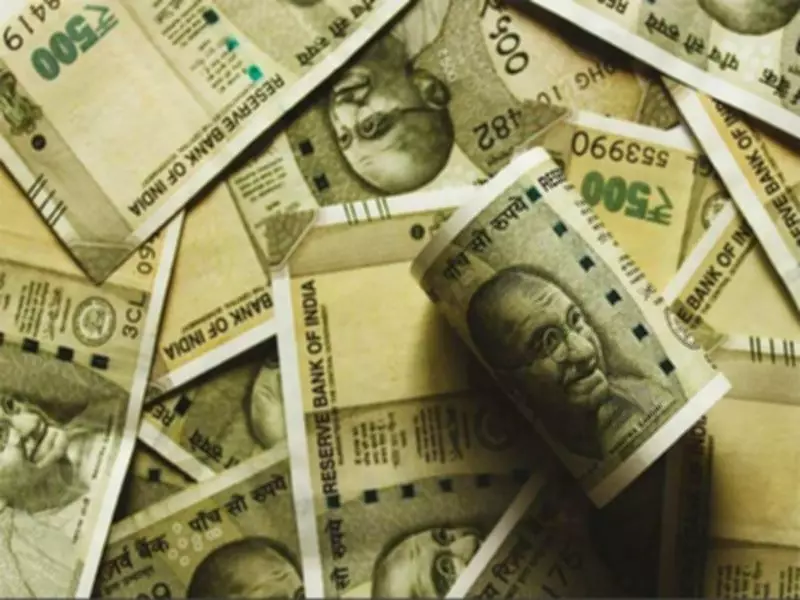
The Indian rupee is projected to average around 96 against the US dollar in the fiscal year 2026-27 (FY27), according to a report by brokerage house Motilal Oswal. However, the outlook remains subject to significant downside risks, including potential US dollar appreciation, interest rate hikes, geopolitical developments, and fluctuations in crude oil prices.
Recent Rupee Performance
The report highlighted that the rupee weakened sharply during April-May 2026, hitting a low of 96.8 per US dollar on May 20 amid concerns over rising crude oil prices, widening trade deficits, and sustained foreign portfolio outflows. Since then, the currency has recovered about 1.3 per cent from its lows as of June 9, 2026, and averaged around 94.7 per US dollar during the first quarter of FY27 (April-June 9).
Key Factors Influencing the Rupee
While elevated crude oil prices and a wider current account deficit are expected to keep the currency on a gradual weakening path, the report notes that stronger capital inflows, a more favourable balance of payments outlook, sizeable foreign exchange reserves, and continued intervention by the Reserve Bank of India (RBI) will likely prevent a disorderly depreciation.

The report states: "The outlook for the rupee has improved meaningfully following the recent measures announced by the RBI and the government." However, key risks continue to include US dollar strength, interest rate hikes, geopolitical tensions, and fluctuations in global crude oil prices.
External Sector Resilience
India's external sector remained resilient in FY26 despite a widening merchandise trade deficit. The current account deficit stayed contained at USD 25.4 billion (0.6 per cent of GDP), only marginally higher than USD 23.1 billion (0.6 per cent of GDP) in FY25, keeping India among the lowest in major emerging markets. However, the capital account weakened during the year, with higher foreign portfolio investment (FPI) outflows weighing on overall inflows, even as foreign direct investment (FDI) improved to USD 4.2 billion in the fourth quarter of FY26 from USD 0.4 billion in the same quarter of FY25 and an outflow of USD 3.7 billion in the third quarter of FY26.
As a result, the overall balance of payments (BoP) recorded a deficit of USD 23.6 billion in FY26, compared to a deficit of USD 5 billion in FY25, driven by weaker capital inflows. However, a strong current account surplus of USD 7.1 billion in the fourth quarter of FY26, along with RBI dollar-rupee swap operations, helped the BoP post a surplus of USD 7.2 billion in the final quarter, providing some support to foreign exchange reserves.
Services Sector Outlook
Commenting on the services sector, the brokerage house noted that deterioration in the trade balance is expected to be partly offset by stronger invisibles. Net services receipts are projected to rise to USD 245 billion (6 per cent of GDP) in FY27 from USD 217 billion in FY26, while remittances are expected to remain strong at around USD 143 billion. Consequently, net invisibles are estimated to increase to USD 338 billion (8.2 per cent of GDP) from USD 312 billion (8.0 per cent of GDP) in FY26.






