

Understanding the Rupee's Depreciation Against the US Dollar
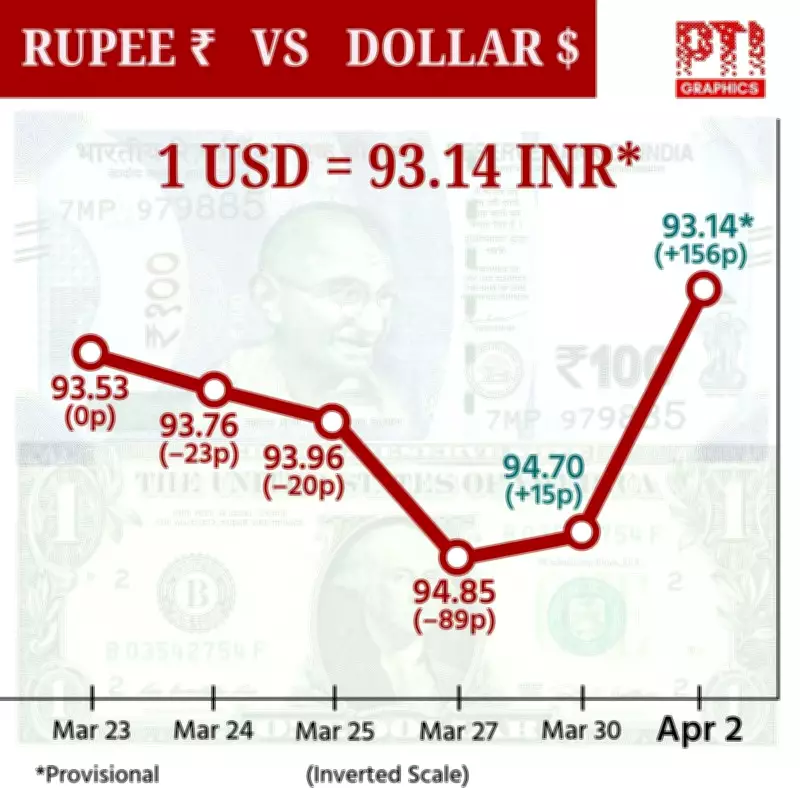
The Indian rupee has been experiencing a significant decline in value relative to the US dollar, a trend that has raised concerns among economists, policymakers, and the general public. This depreciation is not an isolated event but part of a broader global phenomenon affecting emerging market currencies. In this explainer, we delve into the key factors driving the rupee's fall and its multifaceted impact on India's economy.
Causes of the Rupee's Decline
The depreciation of the rupee can be attributed to a combination of global and domestic factors. Globally, the strengthening of the US dollar, driven by aggressive interest rate hikes by the Federal Reserve to combat inflation in the United States, has put pressure on currencies worldwide, including the rupee. This has led to capital outflows from India as foreign investors seek higher returns in dollar-denominated assets.
Domestically, India's widening trade deficit, fueled by high crude oil imports and other commodity prices, has increased the demand for dollars, further weakening the rupee. Additionally, geopolitical tensions, such as conflicts in regions like the Middle East, have contributed to market volatility and risk aversion, impacting currency stability. The Reserve Bank of India's (RBI) interventions in the foreign exchange market to manage volatility have also played a role, though they aim to prevent excessive fluctuations.

Impact on Inflation and Cost of Living
A weaker rupee has direct implications for inflation in India. Since India imports a substantial amount of crude oil and other essential commodities, a depreciated currency makes these imports more expensive. This cost is often passed on to consumers, leading to higher prices for fuel, edible oils, and electronics, thereby increasing the overall cost of living. For instance, a 10% fall in the rupee can translate to a significant rise in petrol and diesel prices, affecting household budgets across the country.
Moreover, imported inflation can complicate the RBI's efforts to control price stability, potentially necessitating tighter monetary policies that could slow economic growth. This creates a delicate balance for policymakers trying to manage inflation without stifling recovery.
Effects on Trade and Exports
While a weaker rupee makes imports costlier, it can benefit exporters by making Indian goods cheaper in foreign markets. Sectors like information technology, pharmaceuticals, and textiles may see increased competitiveness, potentially boosting export revenues. However, this advantage is often offset by higher input costs for imported raw materials, which can erode profit margins for many industries.
The trade deficit may widen if import bills rise faster than export earnings, putting additional pressure on the rupee and foreign exchange reserves. This scenario underscores the need for strategic measures to enhance export diversification and reduce dependency on critical imports.
Monetary Policy and Investment Climate
The rupee's depreciation influences the RBI's monetary policy decisions. To attract foreign capital and stabilize the currency, the RBI might raise interest rates, which can increase borrowing costs for businesses and consumers. This could dampen investment and consumption, slowing down economic activity.
On the flip side, a weaker rupee can make Indian assets more attractive to foreign investors in the long term, if accompanied by strong economic fundamentals. However, persistent volatility may deter investment, highlighting the importance of maintaining confidence in India's economic policies.
Long-term Implications and Mitigation Strategies
In the long run, a sustained decline in the rupee could affect India's external debt servicing, as repayments in dollars become more expensive. This necessitates prudent debt management and building robust foreign exchange reserves.
To mitigate the adverse effects, experts recommend:

- Enhancing domestic production to reduce import dependency, particularly in energy and electronics.
- Promoting export-oriented sectors through incentives and infrastructure development.
- Strengthening fiscal discipline to control inflation and support currency stability.
- Encouraging foreign direct investment (FDI) in productive areas to bolster forex reserves.
Overall, the rupee's fall is a complex issue with both challenges and opportunities. By understanding its causes and impacts, stakeholders can better navigate the economic landscape and work towards sustainable growth.





