South Asia's Fuel Crisis: India Holds Steady as Pakistan, Bangladesh Struggle
The ongoing conflict in the Middle East has sent shockwaves through global oil markets, leading to sharp disparities in petrol prices across South Asia. While India has managed to maintain stable fuel costs, Pakistan and Bangladesh are grappling with steep hikes and supply disruptions, highlighting the region's vulnerability to energy shocks.
India's Strategic Buffer Keeps Prices Unchanged
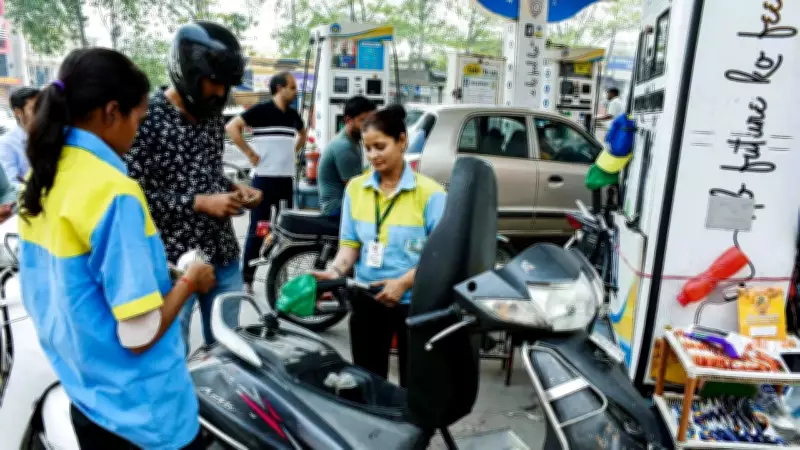
Despite Brent crude oil prices surging to nearly $120 per barrel earlier this week before falling below $90, Indian officials have indicated that retail petrol and diesel prices are unlikely to rise for now. On March 10, petrol prices ranged from Rs 94.77 per litre in Delhi to over Rs 105 in some metro cities, with Mumbai at Rs 103.50, Kolkata at Rs 105.45, and Chennai at Rs 101.23. Diesel prices are lower, varying from Rs 87.67 in Delhi to Rs 92.39 in Chennai.
Fuel prices in India differ significantly across states due to variations in value-added tax (VAT), transportation costs, and local levies. Notably, petrol and diesel are not included under the Goods and Services Tax (GST), meaning state taxes largely determine the final retail price. As the world's third-largest importer and consumer of oil, India depends on imports for nearly 90% of its crude requirements and over half of its liquefied natural gas needs. The country currently holds more than 250 million barrels of crude and refined petroleum products, providing a buffer of roughly seven to eight weeks of supply. To manage the situation, India has increased purchases of Russian crude.

Pakistan Announces Sharp Fuel Price Hike
In contrast, Pakistan has faced a steep rise in fuel costs, with the government announcing a significant increase in petrol and diesel prices due to surging global oil rates. Petrol prices were raised by 55 Pakistani rupees to 321.17 rupees per litre, while high-speed diesel rose to 335.86 rupees per litre. Petroleum minister Ali Pervaiz Malik stated that the government had little choice but to pass on the increase to consumers, citing a sharp surge in global petroleum prices.
The price hike triggered panic buying at fuel stations in cities such as Lahore and Karachi, with long queues reported outside petrol pumps. Pakistan relies heavily on oil imports from Saudi Arabia and the United Arab Emirates, with most shipments passing through the Strait of Hormuz. Prime Minister Shehbaz Sharif has warned against fuel hoarding and said strict action would be taken against violators.
Bangladesh Grapples with Shortages and Rationing
Bangladesh, which imports around 95% of its energy needs, has been facing supply disruptions after the conflict disrupted oil shipments from the Middle East. The country currently sells petrol at around 116 Bangladeshi taka per litre and diesel at about 100 taka per litre, with prices largely unchanged since February. However, authorities have introduced fuel rationing and restrictions on diesel sales to manage supplies.
Officials report that Bangladesh has secured enough diesel to meet about one month of demand, with arrangements being made to cover another month. The Bangladesh Petroleum Corporation has begun receiving diesel from several sources, including China and India. An initial supply of 5,000 tonnes of diesel has started arriving from India through the Bangladesh-India Friendship Pipeline from Numaligarh Refinery in Assam. This pipeline, connecting Siliguri in India to Parbatipur in Bangladesh, has the capacity to transport about 200,000 tonnes of diesel annually. The crisis has already begun affecting industries, with garment manufacturers reporting diesel shortages that make it difficult to operate backup generators during power cuts.

Global Conflict Fuels Energy Market Uncertainty
The fuel challenges across South Asia come as the ongoing conflict involving the United States, Israel, and Iran disrupts shipping routes and oil exports from the Gulf. Iran has warned that it could block oil shipments from the region, raising fears about supplies passing through the Strait of Hormuz, through which roughly 20% of the world's traded oil flows. Global oil prices remain volatile, with Brent crude still trading about 20% higher than before the conflict began. This situation has left governments across the region scrambling to secure alternative fuel supplies and shield consumers from the worst impact of the energy shock.