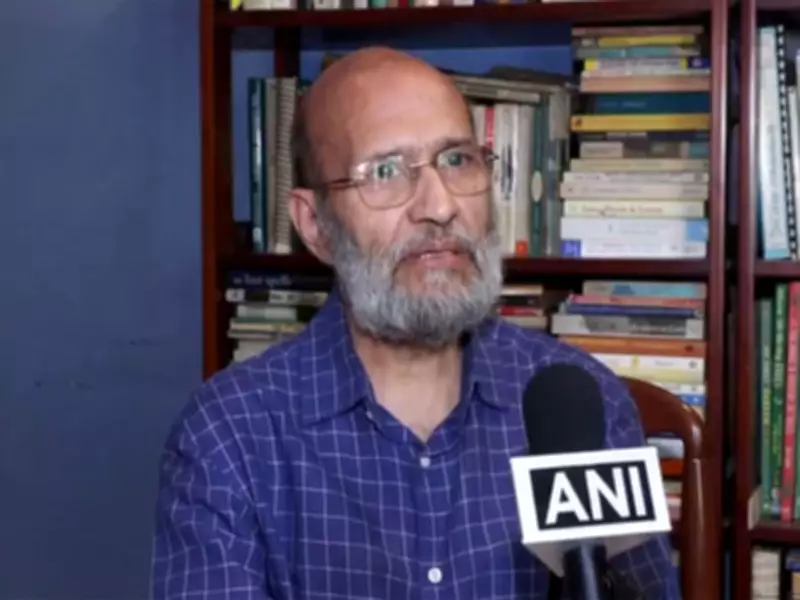
Former United Nations advisor and economist Santosh Mehrotra has issued a stark warning regarding India's economic trajectory, urging the government to rethink its taxation policies. In a recent statement, Mehrotra cautioned that imposing taxes on essential commodities like fuel and gold could exacerbate the ongoing rupee slump and lead to significant job losses. Instead, he advocates for a more progressive taxation system that targets the wealthy.
Rupee Depreciation and Economic Strain
The Indian rupee has been under considerable pressure, depreciating against major global currencies. Mehrotra highlights that this devaluation is not merely a financial metric but has real-world consequences, including increased import costs and inflationary pressures. He argues that taxing fuel and gold, which are already burdened by high prices, would further strain household budgets and reduce consumer spending, thereby slowing economic growth.
Impact on Employment
Mehrotra emphasizes that the current policy approach risks triggering widespread job losses. Industries reliant on imported inputs, such as manufacturing and technology, face higher costs, which could lead to layoffs and reduced hiring. The informal sector, which employs a large portion of India's workforce, is particularly vulnerable. He notes that a slump in the rupee often leads to a contraction in employment opportunities, especially for low-skilled workers.

Proposed Solution: Tax the Wealthy
To counter these challenges, Mehrotra proposes a shift in fiscal strategy. Instead of taxing items that affect the masses, the government should increase taxes on the affluent. He suggests introducing higher income tax rates for top earners, wealth taxes, and stricter inheritance taxes. Such measures, he argues, would generate revenue without hurting the poor and middle class, while also reducing inequality.
Global Lessons and Feasibility
Drawing on international examples, Mehrotra points to countries like the United States and several European nations that have successfully implemented progressive taxation. He acknowledges political resistance but insists that the benefits outweigh the challenges. The additional revenue could be channeled into social programs, infrastructure, and job creation schemes, providing a buffer against economic downturns.
Reactions and Policy Implications
Mehrotra's remarks have sparked debate among policymakers and economists. While some agree with his assessment, others argue that taxing the wealthy could discourage investment and capital flight. However, Mehrotra counters that a well-designed tax system can mitigate these risks. He calls for a comprehensive review of India's tax structure to ensure it supports sustainable growth and social equity.
As India navigates its economic challenges, Mehrotra's advice serves as a reminder that fiscal policies must balance revenue generation with social welfare. The coming months will reveal whether the government heeds his warnings or continues on its current path.